Loading... Please wait...





- Cycling Shoes
- Cycling Clothing
- Bike Parts
- Cassettes
- Pedals
- Cleats and Accessories
- Bike Chains
- Mudguards
- Saddles
- Seatposts
- Road Handlebars
- Handlebar Tape
- Handlebar Grips
- Bike Stems
- Inner Tubes
- Puncture Repair
- Bike Cables
- Road Wheelsets
- Brakes
- Mountain Bike Forks
- Bottom Brackets
- Bike Care and Maintenance
- Track Pumps
- Bike Tools
- Cycling Multi-Tools
- Mini Pumps and Co2
- Bike Tyres
- Cycling Helmets
- Cycling Accessories
- Car Bike Racks
- Turbo Trainers
- Bike Boxes
- Road Bikes
- Orro Parts and Accessories
- Kids Bikes
- Children's Bicycle Seats
- SALE
Alternatives to Expensive Cycling Jerseys
Posted by Richard Sault on 13th Oct 2026
Table of Contents
- Why Cyclists Look for Cycling Jersey Alternatives
- What to Wear Cycling Without a Jersey
- Affordable Cycling Jerseys UK: Performance Without the Premium Price
- Key Features to Look for in Affordable Options
- Comparing Budget and Premium Cycling Jerseys
- How to Choose the Right Alternative for Your Riding Style
- Common Mistakes When Shopping for Budget Cycling Apparel
- Frequently Asked Questions
Last Updated: 12 October 2026
Why Cyclists Look for Cycling Jersey Alternatives
Finding the right cycling apparel doesn't have to mean spending premium prices on every piece of kit. Many cyclists are discovering that alternatives to expensive cycling jerseys deliver the performance they need without the eye-watering cost. At Salt Dog Cycling, we understand this challenge, our customers frequently ask us about affordable options that don't sacrifice quality or function.
The reality is straightforward: not every ride demands a high-end jersey. A weekend club run, a casual commute, or an easy recovery spin can be perfectly comfortable in well-chosen alternatives. The key is knowing what actually matters for your riding style and what you can safely compromise on.
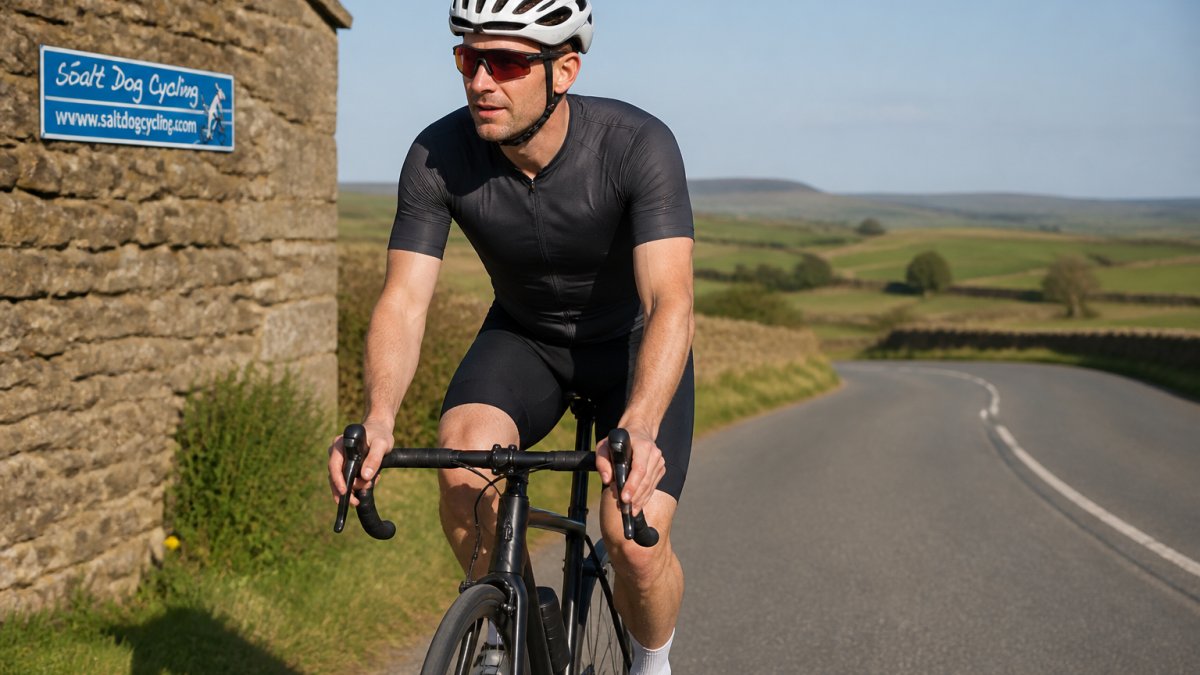
When budget constraints meet performance expectations, the conversation shifts from "which premium brand" to "what actually works." That's where this guide comes in. We'll walk you through the practical options that keep you comfortable, dry, and visible without the premium price tag.
What to Wear Cycling Without a Jersey
You don't need a dedicated cycling jersey to ride effectively. A range of everyday and technical alternatives can work brilliantly, depending on the distance, conditions, and your personal comfort preferences.
The most important factors are moisture management, fit, and visibility. A jersey handles these three things well, but so do other garments when chosen carefully. Base layers designed for sport pull sweat away from your skin. Technical t-shirts offer similar benefits. Even well-fitting casual tops work for shorter, slower rides where temperature regulation is less critical.
Base Layers and Technical Tops
Base layers are among the most versatile cycling jersey alternatives. Designed for athletic pursuits, they're engineered to move moisture away from your skin, keeping you dry during effort and preventing that clammy feeling on descents.
Look for synthetic or wool base layers rather than cotton. Cotton absorbs moisture and holds it against your skin, exactly what you don't want on a bike. Merino wool or polyester-blend base layers are lighter, dry faster, and manage temperature naturally. Wear them alone on warm days or under a casual top when conditions are cooler.
The fit matters. Base layers should be snug enough to move moisture efficiently but not so tight they restrict breathing. Most cycling-specific base layers have slightly longer sleeves and a cut that works well in the riding position.
T-Shirts and Casual Tops
A fitted athletic t-shirt can substitute for a jersey on casual rides. The key word is "fitted", an oversized cotton t-shirt flaps in the wind and holds sweat. A fitted performance t-shirt in synthetic fabric performs far better.
Many cyclists overlook this option because they assume casual wear can't work. In practice, a well-chosen athletic t-shirt handles short to medium rides admirably. Look for moisture-wicking fabric, a cut that doesn't bunch when you're bent over the bars, and a length that stays tucked.
Visibility matters. Choose a colour that stands out, bright yellow, orange, or white, or pair a darker top with a high-visibility gilet or backpack cover.
Affordable Cycling Jerseys UK: Performance Without the Premium Price
If you want the dedicated jersey experience without premium pricing, several solid options exist. Salt Dog Cycling stocks a range of jerseys designed for real-world riding without the luxury-brand markup.
Ride Jersey Range
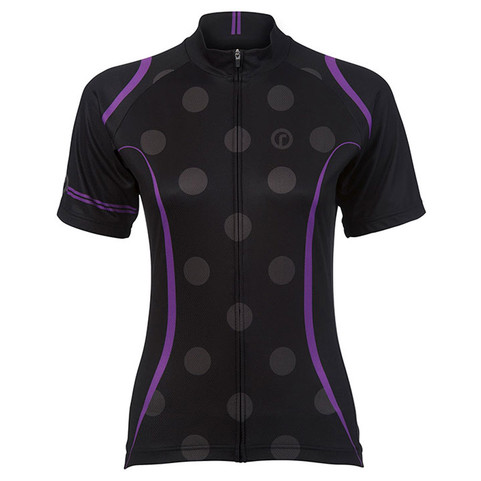
The Ride range offers several strong alternatives. The Ride Ladies Print Jersey suits shorter summer rides and autumn rides layered with a base layer. It features UV protection, reflective decals for visibility, a custom silicone gripper to keep the jersey in place, and high-wicking fabric that manages moisture effectively. The memory fabric retains its fit through repeated washes.
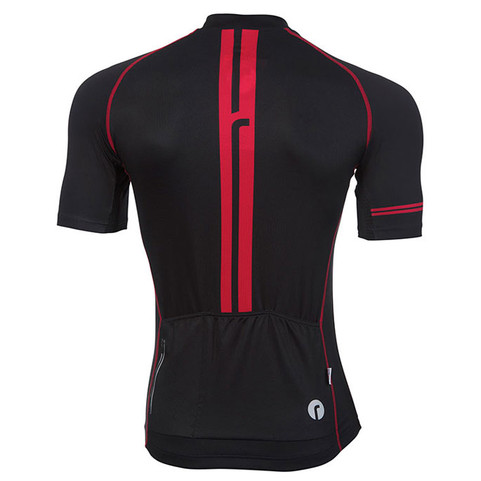
The Ride Tec Stripe Jersey steps up the specification. It includes vented underarms for extra cooling, two zip pockets with lining, and reflective elements on the main zip. The NORTEX Interpower sleeve technology provides targeted performance where you need it most.
For cyclists wanting something with character, the Tour De France Alpe d'Huez Jersey and Tour De France Mont Ventoux Jersey combine technical features with distinctive artwork celebrating iconic climbing stages. Both include UV protection, reflective decals, custom silicone grippers, and memory fabric that holds its shape.
Key Features to Look for in Affordable Options
When evaluating alternatives to expensive cycling jerseys, focus on these functional elements rather than brand prestige.
Moisture management is non-negotiable. The fabric must move sweat away from your skin. Check whether the material is synthetic or wool, both work. Avoid cotton. Look for terms like "wicking," "moisture-wicking," or "stay-dry technology" in product descriptions.
Fit and cut matter more than you'd expect. A jersey designed for cycling has a longer back and shorter front so it doesn't ride up when you're bent over the bars. Casual tops often lack this geometry. If you're choosing a non-cycling garment, try it in the riding position before committing.
Visibility is safety. Bright colours, reflective elements, or high-contrast panels make you visible to traffic. This isn't optional, it's a genuine safety consideration, especially on commutes or evening rides.
Durability in the wash. Cheaper jerseys sometimes fade or lose their shape quickly. Read reviews about how garments hold up after multiple washes. Memory fabric that retains fit is worth seeking out.
Pockets and zips. Functional details matter on longer rides. Back pockets let you carry essentials without a backpack. A half-zip or full-zip front gives you ventilation control as conditions change.
Comparing Budget and Premium Cycling Jerseys
Feature | Budget Jersey | Premium Jersey | What Matters Most |
|---|---|---|---|
Moisture wicking | Good | Excellent | Both work for most rides |
Durability (washes) | 50-75 washes | 100+ washes | Budget sufficient for casual use |
Fit retention | Good | Excellent | Premium holds shape longer |
Visibility | Often included | Always included | Both prioritise this |
Pockets | Usually 2-3 | Usually 3 | Functional difference is minimal |
Price | Lower | Higher | Budget saves money without sacrificing basics |
The honest truth: a budget jersey handles most riding scenarios as well as a premium one. Premium jerseys justify their cost through longevity, advanced fabric technology, and refined fit, benefits that matter most to riders logging high mileage or racing. For recreational cycling, commuting, or occasional long rides, a well-chosen budget alternative performs reliably.
How to Choose the Right Alternative for Your Riding Style
Your riding context determines what you actually need.
Short casual rides (under 90 minutes, easy pace). A fitted athletic t-shirt or base layer works perfectly. Moisture management is less critical because you're not generating intense heat. Visibility is still important, choose a bright colour.
Longer rides (2-4 hours, moderate effort). A dedicated jersey or high-quality base layer becomes worthwhile. Moisture management matters more as you build heat. Back pockets become useful for carrying food or a spare tube. A half-zip gives you ventilation control.
High-intensity or racing. Premium features start to justify their cost. Advanced fabrics, refined aerodynamic cuts, and durability through repeated washing matter more. That said, many racers use budget jerseys successfully, it's not a barrier to performance.
Commuting. Visibility is paramount. Choose bright colours, reflective elements, or a gilet over your base layer. Durability matters because you're washing the garment frequently. A jersey with pockets is practical for keys and a phone.
Touring or bikepacking. You want gear that lasts and performs across varied conditions. A quality budget jersey or base layer system is sensible, you're carrying limited clothing, so each piece needs to work hard and wash well.
Common Mistakes When Shopping for Budget Cycling Apparel
Choosing cotton. It's the most frequent error. Cotton feels comfortable in a shop but performs poorly on a bike. It absorbs sweat, holds moisture, and takes forever to dry. Spend the extra few pounds on synthetic or wool instead.
Ignoring fit. A bargain-priced jersey that doesn't fit your riding position wastes money. The back needs to be longer than the front. Sleeves should sit where your arms naturally fall when you're on the bars, not where they sit standing upright. Try before buying when possible.
Overlooking visibility. A cheap jersey that's dark and featureless creates a genuine safety risk. High-visibility elements cost almost nothing to add, they're worth prioritising.
Buying oversized for comfort. Loose clothing flaps in the wind, catches sweat, and creates drag. Fitted garments perform better and feel more comfortable once you're moving. If the fit feels snug standing still, it's probably correct.
Assuming all budget options are equal. They're not. A budget jersey from a brand that tests products on real roads (like Ride) outperforms a generic athletic shirt. Read reviews and check what features are actually included.
Washing incorrectly. Even good garments degrade if you wash them wrong. Use cool water, avoid fabric softener, and air-dry when possible. High heat damages synthetic fabrics and elastic.
Neglecting proper fit for your shoes. Getting the right shoe fit is equally important to jersey selection when building your cycling kit. If you're unsure about your shoe size or fit, the Lake Shoe Fit Tool can help you find the correct size, ensuring your entire setup works together comfortably.
Finding alternatives to expensive cycling jerseys isn't about settling for less. It's about matching your spending to your actual needs. A fitted base layer, a quality budget jersey, or a well-chosen athletic top handles most riding scenarios brilliantly.
Frequently Asked Questions
What can I wear instead of a cycling jersey?
You can wear moisture-wicking base layers, fitted athletic tops, or technical running shirts designed for moisture management. The key is choosing breathable, close-fitting fabrics that won't flap in the wind and allow sweat to evaporate quickly. Many cyclists combine a base layer with a lightweight overshirt for temperature control without buying expensive jerseys.
Do you need a cycling jersey to ride a bike?
No, you don't need a cycling jersey to ride. Casual cyclists often ride in regular clothing. However, cycling jerseys offer specific benefits: they're designed to stay in place, manage moisture effectively, include back pockets for storage, and feature reflective elements for visibility. For longer rides or regular cycling, a proper jersey significantly improves comfort and safety, even if it's an affordable option rather than a premium brand.
What is the difference between a budget and a premium cycling jersey?
Premium cycling jerseys typically offer advanced fabric technology, superior moisture management, tailored cuts for aerodynamics, and durability for frequent use. Budget alternatives provide the essentials: basic moisture-wicking, functional pockets, and acceptable fit. Premium jerseys often last longer and perform better in extreme conditions. However, affordable cycling jerseys UK options deliver solid performance for recreational riders and those building their collection without overspending.
Are cheap cycling jerseys any good?
Yes, affordable cycling jerseys can be excellent value. Modern budget jerseys use quality fabrics that wick moisture and dry quickly. They include practical features like pockets and reflective details. The main differences from premium options are typically durability under heavy use and advanced fabric innovations. For casual riders, shorter distances, or those testing the sport, budget jerseys perform well and represent smart spending. Many cyclists own both premium and budget jerseys for different purposes.

Copyright 2026 Salt Dog Cycling. All Rights Reserved. Sitemap |