Loading... Please wait...





- Cycling Shoes
- Cycling Clothing
- Bike Parts
- Cassettes
- Pedals
- Cleats and Accessories
- Bike Chains
- Mudguards
- Saddles
- Seatposts
- Road Handlebars
- Handlebar Tape
- Handlebar Grips
- Bike Stems
- Inner Tubes
- Puncture Repair
- Bike Cables
- Road Wheelsets
- Brakes
- Mountain Bike Forks
- Bottom Brackets
- Bike Care and Maintenance
- Track Pumps
- Bike Tools
- Cycling Multi-Tools
- Mini Pumps and Co2
- Bike Tyres
- Cycling Helmets
- Cycling Accessories
- Car Bike Racks
- Turbo Trainers
- Bike Boxes
- Road Bikes
- Orro Parts and Accessories
- Kids Bikes
- Children's Bicycle Seats
- SALE
Blog - aero cycling clothing
Aerodynamic Cycling Gear Explained: Real Benefits
Posted by Richard Sault on 10th Oct 2026
Table of Contents
- How Aerodynamic Cycling Gear Reduces Drag
- Aero Cycling Helmet Benefits and Design
- Aero Cycling Clothing: Fit, Fabric, and Performance
- How to Reduce Drag on a Road Bike
- Aero Bike Position: Why Body Posture Matters
- Which Aerodynamic Upgrades Deliver Real Speed Gains
- Frequently Asked Questions
Last Updated: October 10, 2026
How Aerodynamic Cycling Gear Reduces Drag
Air resistance is the single biggest force slowing you down at speed. When you're cycling at 25 mph or faster, aerodynamic cycling gear becomes the difference between a tough ride and an efficient one. The faster you go, the more power you waste fighting wind resistance instead of moving forward.
Most riders focus on fitness or bike weight, both matter, but aerodynamic cycling gear delivers immediate, measurable returns. You don't need to be a pro racer to benefit. Even recreational riders see real speed gains from simple changes.
Here's why it works: drag increases exponentially with speed. A small reduction in your frontal area or surface texture can mean a significant difference over a 10-mile ride. That's not trivial when you're training or racing.
Aero Cycling Helmet Benefits and Design
Your helmet is one of the easiest aerodynamic upgrades to get right. A traditional round helmet creates turbulence behind your head. An aero design manages that airflow, reducing the wake that forms as you cut through the wind.
The POC Ventral Air SPIN Road Helmet uses CFD testing to optimise its profile. The trailing edge is shaped to manage residual air and reduce turbulence. It's not just about looking fast, the design actually works.

Look for these features in an aero helmet:
- Elongated rear profile that tapers smoothly
- Optimised airflow zones for ventilation without sacrificing shape
- Lightweight construction that doesn't add neck strain
- Comfortable fit so you'll actually wear it
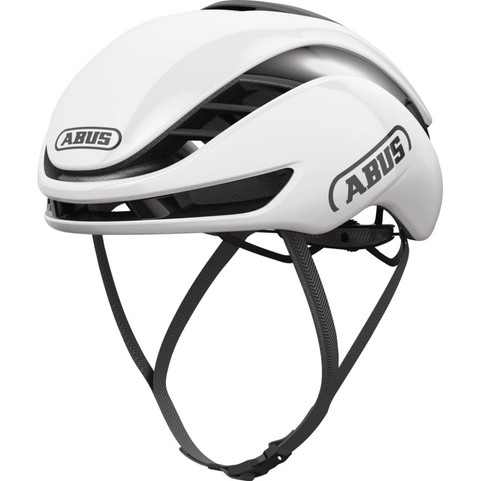
The Abus GameChanger 2.0 Aero Road Helmet balances aerodynamic benefit with everyday usability. You get the speed advantage without the overheating that older aero designs suffered from.
Aero Cycling Clothing: Fit, Fabric, and Performance
Tight-fitting clothing is faster than loose clothing. That's not fashion, that's physics. Loose fabric creates turbulence. Tight fabric sits flat against your body and lets air flow smoothly past.
The fabric matters too. Smooth, low-friction materials reduce drag more than textured ones. Many modern cycling jerseys use microfibre blends designed specifically for aerodynamics, not just comfort.
Fit is everything here:
- Jerseys should sit snug without restricting breathing
- Sleeves should be tight but not constricting
- Shorts should have minimal excess fabric
- Seams should be flat and minimal
When you're buying aero cycling clothing, don't assume tighter is always better. You need enough stretch to move freely. The goal is snug contact with minimal wind resistance, not a compression suit that limits your power output.
British Cycling guidance on kit selection recommends checking fabric specifications for drag coefficients when comparing options.
How to Reduce Drag on a Road Bike
Aerodynamic cycling gear only works if your bike position supports it. Many riders buy aero kit then sit upright, which defeats the purpose.
Start with your handlebar position. Lower bars = more aerodynamic position. If you're currently riding on top of the bars, dropping to the drops can cut drag significantly. This single change is free and immediate.
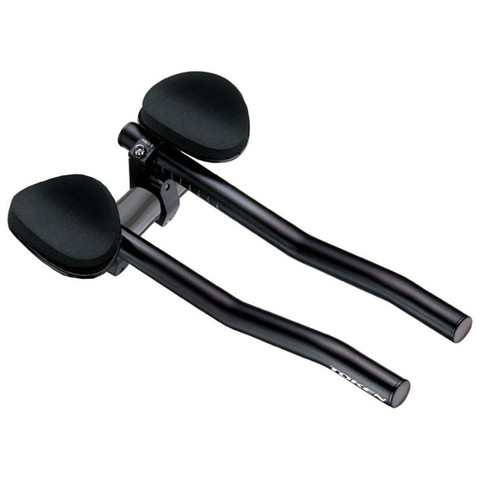
Drop bar extensions like the Token Alloy Aero Extensions Bars give you more hand positions and let you get even lower. They're affordable and bolt on in minutes.
Abus GameChanger 2.0 Aero Road Helmet →
Other drag reducers:
- Smooth wheel rims instead of deep sections
- Minimal cable routing and housing
- Tucked elbows and compact frame size
- Flat back posture rather than rounded shoulders
Your position matters more than your gear. Get the position right first, then add aerodynamic cycling gear on top.
Aero Bike Position: Why Body Posture Matters
The aerodynamic cycling position isn't just about looking fast. Your body creates the majority of drag, more than the bike itself. How you sit, how you hold the bars, and how you position your legs all matter.
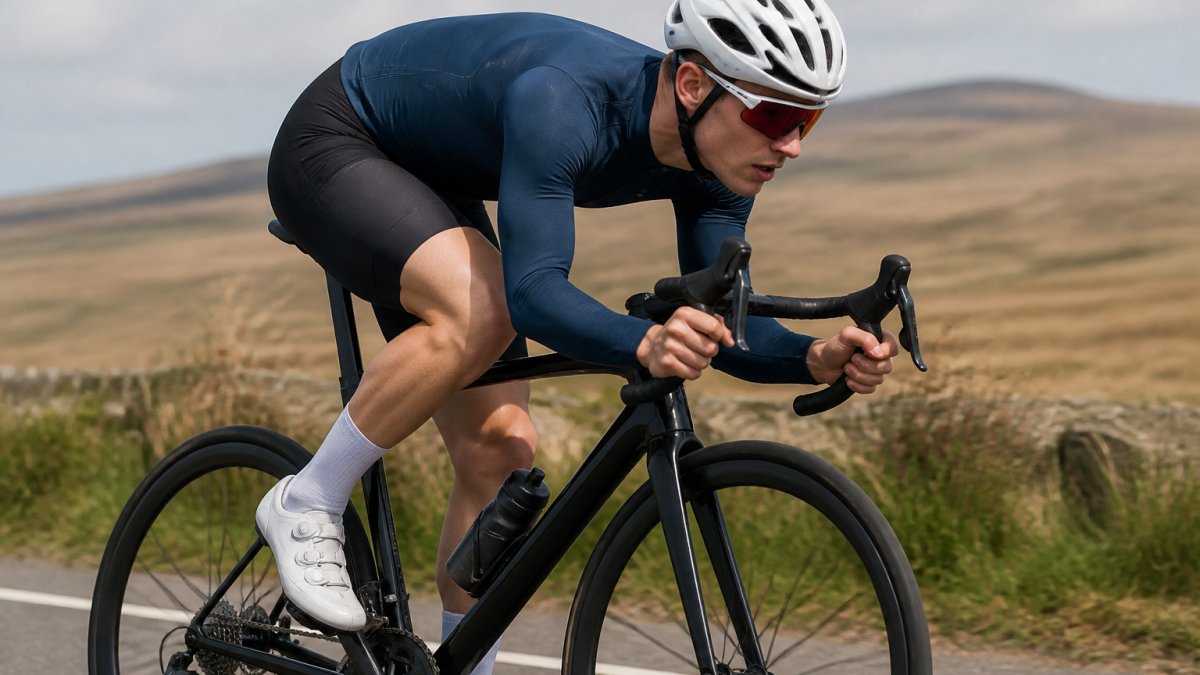
A flat back is faster than a rounded one. Your shoulders should be relaxed and low. Your elbows should be tucked, not splayed out. Your head should stay neutral, looking ahead, not up.
Your legs need room to extend without hitting your torso. This is where fit matters. A frame that's too small forces an awkward position. A frame that's too large stretches you out and kills power. Getting your fit right before worrying about aerodynamic cycling gear is essential, if you're unsure about your shoe fit, the Lake Shoe Fit Tool can help you find the right size and position for your feet and pedals.
Most riders find their fastest position by trial and error. Start with a comfortable, sustainable position, then gradually lower your bars or move forward as your flexibility improves. Forcing an aggressive position too quickly leads to back pain and abandoning it.
Which Aerodynamic Upgrades Deliver Real Speed Gains
Not all aerodynamic cycling gear delivers the same benefit. Some upgrades are marginal. Others are effective.
Here's what actually works:
Upgrade | Impact | Cost | Ease |
|---|---|---|---|
Aero helmet | High | Moderate | Easy |
Tight jersey | Moderate | Low | Very easy |
Drop bar extensions | Moderate | Low | Easy |
Aero overshoes | Low to moderate | Low | Very easy |
Disc wheel | High | Very high | Medium |
The Defeet Slipstream Overshoes are affordable and genuinely reduce drag around your feet and shoes. They're one of the easiest wins for minimal cost.
Start with the high-impact, low-cost upgrades: helmet, tight clothing, position adjustment. Then move to more expensive items if you're chasing marginal gains.
Frequently Asked Questions
What are the main benefits of aerodynamic cycling gear?
Aerodynamic cycling gear reduces wind resistance, allowing you to maintain higher speeds with less effort. The primary benefits include improved speed at any given power output, reduced fatigue on long rides, and better performance in racing or competitive cycling. Even modest aerodynamic improvements compound over distance, saving meaningful energy over longer rides. Benefits are most noticeable at speeds where air resistance becomes the dominant force slowing you down.
Does an aero cycling helmet actually make a difference?
Yes, aero helmets can reduce drag compared to standard helmets, depending on design and riding position. This translates to measurable speed gains: at racing speeds, an aero helmet can save time over a given distance. Modern aero helmets like the POC Ventral Air SPIN use CFD testing and optimised trailing edges to manage airflow and reduce turbulence. The benefit increases as your speed increases, making them particularly valuable for road cyclists and time trialists.
How much speed can you gain from aerodynamic cycling clothing?
Aerodynamic clothing can reduce drag depending on fit and fabric. Skin-tight jerseys and bib shorts minimise fabric flutter and reduce frontal area. The actual speed gain depends on your power output and riding speed. Benefits are greatest for road cyclists and time trialists; casual riders notice less difference because aerodynamic gains are most significant at higher speeds where air resistance dominates.
Is aerodynamic cycling gear worth the investment for recreational riders?
For recreational cyclists riding below 32 km/h, aerodynamic gear offers modest benefits. However, if you ride regularly at faster speeds, do longer distances, or compete, aero upgrades deliver noticeable improvements in speed and endurance. Start with body position and clothing fit—these are low-cost, high-impact changes. Aero helmets and wheels offer stronger returns for riders regularly hitting 40+ km/h. Salt Dog Cycling's team can help you prioritise upgrades based on your riding style and goals.
At Salt Dog Cycling, we help you find the right aerodynamic cycling gear for your goals and budget. Whether you're chasing speed or just want to feel faster, our team can guide you toward upgrades that actually deliver. We stock premium helmets, aero extensions, overshoes, and tight-fitting kit from trusted brands. Create an account and get free delivery on all UK orders, plus expert advice whenever you need it.

Copyright 2026 Salt Dog Cycling. All Rights Reserved. Sitemap |