Loading... Please wait...





- Cycling Shoes
- Cycling Clothing
- Bike Parts
- Cassettes
- Chainrings
- Pedals
- Cleats and Accessories
- Bike Chains
- Mudguards
- Saddles
- Seatposts
- Road Handlebars
- Handlebar Tape
- Handlebar Grips
- Bike Stems
- Inner Tubes
- Puncture Repair
- Bike Cables
- Road Wheelsets
- Brakes
- Mountain Bike Forks
- Bottom Brackets
- Bike Care and Maintenance
- Track Pumps
- Bike Tools
- Cycling Multi-Tools
- Mini Pumps and Co2
- Bike Tyres
- Cycling Helmets
- Cycling Accessories
- Car Bike Racks
- Turbo Trainers
- Bike Boxes
- Road Bikes
- Orro Parts and Accessories
- Kids Bikes
- Children's Bicycle Seats
- SALE
Blog - wide-fit road cycling shoes
5 Best Wide Toe Box Cycling Shoes for Comfort
Posted by Richard Sault on 14th Oct 2026
Table of Contents
- Why Wide Toe Box Cycling Shoes Matter for Comfort
- Quick Comparison: 5 Wide Toe Box Cycling Shoes
- 1. Lake CX400 Road Cycling Shoes: Best All-Rounder
- 2. Lake CX333 Road Cycling Shoes: Race-Ready with Adjustable Fit
- 3. Lake CX242 Wide Fit Road Shoes: Best for Bunions and Wide Forefeet
- 4. Lake MX219 Wide Fit Mountain Bike Shoes: Best for Off-Road Comfort
- 5. Lake MX177 Wide Fit Mountain Bike Shoes: Best Value Wide Fit MTB
- How Should Cycling Shoes Fit? Getting the Toe Box Right
- Frequently Asked Questions
Last Updated: October 13, 2026
Why Wide Toe Box Cycling Shoes Matter for Comfort
Finding wide toe box cycling shoes that genuinely fit is the single biggest comfort upgrade most riders can make, and it is the question we get asked most at Salt Dog Cycling. A wide toe box is the extra volume across the ball of the foot and toes that lets your foot spread naturally through the pedal stroke. Standard lasts squeeze the forefoot, and that pressure builds into hot spots, tingling and numbness on longer rides.
Here is the part most guides get wrong: width is not one measurement. Two shoes can both claim "wide fit" and feel completely different, because the toe box shape, the last profile and the closure system all change how the volume sits around your foot. We have helped riders with bunions, Morton's neuroma and simply broad forefeet find shoes that work, and the pattern is always the same. Get the width right and everything else follows.
Below, we break down five wide fit options we stock, what each one suits, and how to dial in the fit before you buy.
NHS guidance on foot health and bunions
Quick Comparison: 5 Wide Toe Box Cycling Shoes
The five shoes below cover road racing, endurance road riding and off-road use, all built on wider lasts. Use this table to shortlist, then read the detail on each.
Shoe | Discipline | Closure | Best For |
|---|---|---|---|
Road | BOA dials | All-round road comfort | |
Road | Dual BOA | Race fit with adjustability | |
Road | Dual BOA | Bunions and wide forefeet | |
Mountain | BOA | Off-road comfort | |
Mountain | Laces/straps | Value wide fit MTB |
1. Lake CX400 Road Cycling Shoes: Best All-Rounder
It balances a stiff, efficient sole with a toe box that gives your forefoot room to work, so you get power transfer without the squeeze.
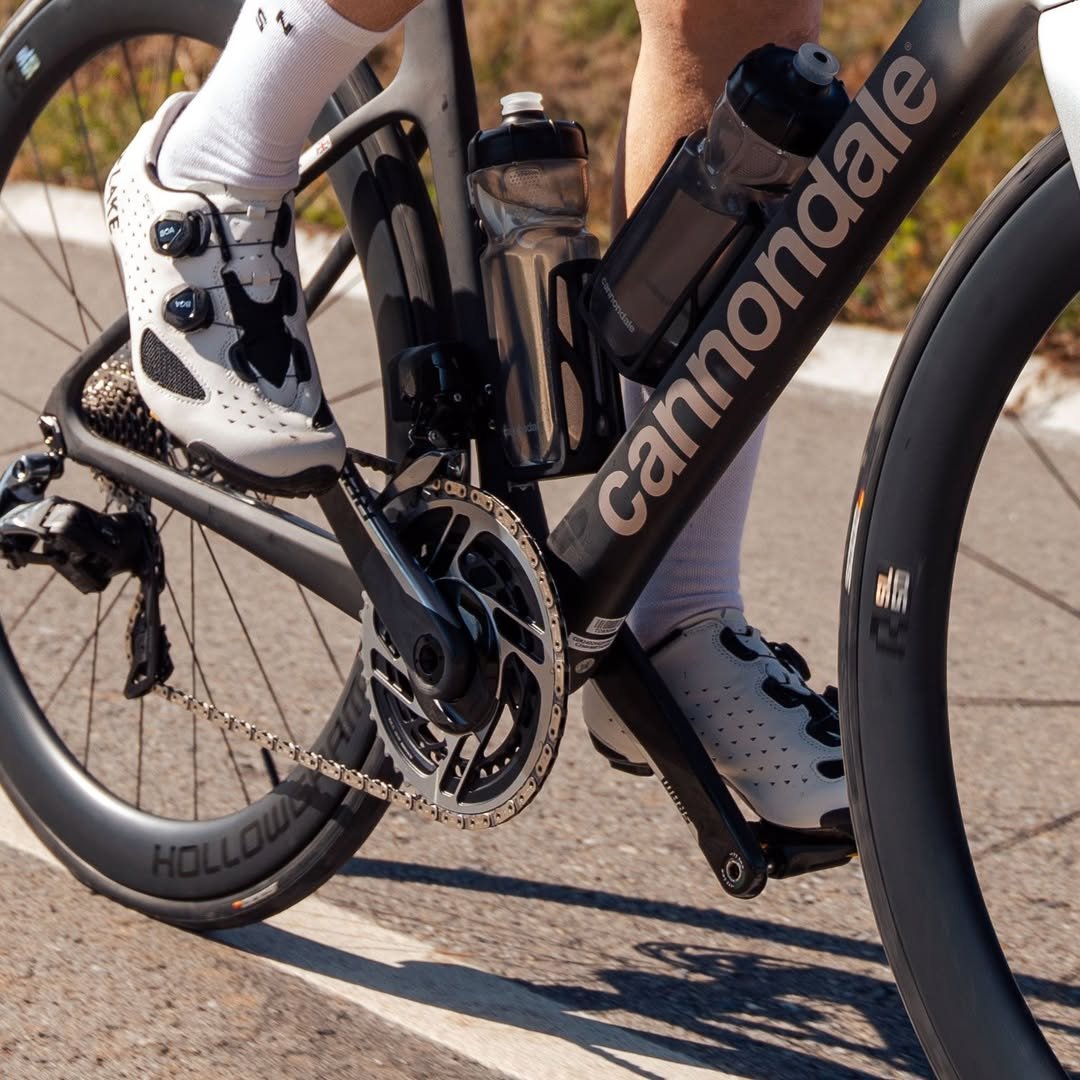
The upper is built to hold the foot securely through the midfoot while leaving space up front. That combination matters more than people expect. A tight midfoot lets your heel lift and your foot slide, while a tight toe box causes the numbness most riders blame on "bad circulation".
2. Lake CX333 Road Cycling Shoes: Race-Ready with Adjustable Fit
The dual BOA closure lets you fine-tune tension across the foot independently, which is the real advantage here. You can run the forefoot slightly looser for toe room while locking the heel down for sprinting. The trade-off is that this is a firmer, more performance-focused shoe. It rewards riders who want a snug feel, not those chasing maximum softness.
3. Lake CX242 Wide Fit Road Shoes: Best for Bunions and Wide Forefeet
Riders with bunions or very wide forefeet should start here. The Lake CX242 is built on a wide last with 15mm of additional volume at the ball of the foot over the standard width, and it is designed specifically for feet that standard shoes punish.
The upper uses a softer, more forgiving construction around the forefoot, so pressure spreads across the foot instead of concentrating on the joint. In practice, this is the difference between finishing a long ride comfortably and stopping to loosen your shoes every hour.
What most reviews miss is that the CX242 is not just "wider". The shape of the toe box is rounded to follow the natural splay of the toes, which is what actually relieves bunion pressure. The one drawback is that it is a road shoe, so if you ride off-road you will want the MX219 below.
NHS information on Morton's neuroma and forefoot pain
Lake CX242 Wide Fit Road Shoes Black →
4. Lake MX219 Wide Fit Mountain Bike Shoes: Best for Off-Road Comfort
If your riding is mostly trails, gravel and mixed surfaces, this is the sensible wide fit choice.
5. Lake MX177 Wide Fit Mountain Bike Shoes: Best Value Wide Fit MTB
You get a dependable off-road shoe with a roomy toe box, secure closure and a sole built for trail use. It suits riders new to wide fit shoes who want to test the difference without committing to a top-tier model, and it works well as a second pair for winter or commuting.
How Should Cycling Shoes Fit? Getting the Toe Box Right
Cycling shoes should fit snugly through the heel and midfoot with roughly a thumb's width of space in front of your longest toe, and enough room at the ball of the foot that your toes can spread without pressing against the sides. The toe box is where most fit problems start.
A few practical rules we share with customers:
- Measure your feet in the afternoon, when they are at their largest, and measure both feet.
- Size to your longer foot, then use width options rather than length to fix a tight fit.
- Check toe room standing up, not sitting, because your foot lengthens under load.
- Allow for foot swelling on rides over two hours, especially in warmer weather.
- If you have bunions or wide forefeet, prioritise the toe box shape over every other feature.
Getting this right is why we built our Lake Shoe Fit Tool, which helps you match your measurements to the right Lake model and width before you order.
Finding wide toe box cycling shoes that actually fit should not mean ordering and returning pairs until something works. At Salt Dog Cycling, we are a family-run business staffed by cyclists, so we can talk through your foot shape, recommend the right last and help you choose between road and off-road options. You get free delivery on all orders, expert advice from people who ride, and a range of wide fit shoes selected for real comfort. Create an account with Salt Dog Cycling and get the fit right the first time.
Frequently Asked Questions
What are the best cycling shoes for a wide toe box?
The Lake CX242 Wide Fit Road Shoes offer generous toe box room, providing 15mm of additional volume at the ball of the foot and are designed for cyclists with bunions. For off-road comfort, the Lake MX237 Wide Fit SuperCross Cyclocross Shoes use a Competition last with a larger toe box. Both use BOA closures for even pressure distribution.
How should cycling shoes fit around the toes?
You should have about 5-10mm of space between your longest toe and the front of the shoe. Your toes should be able to wiggle slightly without sliding forward. When you pedal, your foot naturally moves back around 5mm in heat-mouldable models, so initial tightness at the front may ease after moulding. Always measure your feet later in the day when they are at their largest.
What is the difference between wide-fit and standard cycling shoes?
Wide-fit cycling shoes offer additional volume at the ball of the foot, typically 10-15mm more than standard width lasts. This extra room reduces pressure on the forefoot and prevents pinching. Standard shoes suit narrow to medium feet, while wide-fit models like the Lake CX242 and MX237 accommodate broader feet or conditions like bunions without compromising performance.
Can you use mountain bike shoes for road cycling?
Yes, mountain bike shoes work for road cycling, though they have rubber soles and recessed cleats suited to two-bolt systems. They offer more walkability and grip off the bike. Road-specific shoes like the Lake CX402 provide stiffer carbon soles for better power transfer, while MTB options like the Lake MX237 Wide Fit Endurance Mountain Bike Shoes suit mixed terrain and touring where you may need to walk.
How do I measure my feet for cycling shoes?
Measure both feet in the evening when they are largest. Stand on paper, trace your foot outline, and measure from heel to longest toe in millimetres. Also measure the widest part of your forefoot. Compare these to the brand's size chart. Lake offers a Shoe Fit Tool to help match your measurements to the right model and width.

Copyright 2026 Salt Dog Cycling. All Rights Reserved. Sitemap |