Loading... Please wait...





- Cycling Shoes
- Cycling Clothing
- Bike Parts
- Cassettes
- Pedals
- Cleats and Accessories
- Bike Chains
- Mudguards
- Saddles
- Seatposts
- Road Handlebars
- Handlebar Tape
- Handlebar Grips
- Bike Stems
- Inner Tubes
- Puncture Repair
- Bike Cables
- Road Wheelsets
- Brakes
- Mountain Bike Forks
- Bottom Brackets
- Bike Care and Maintenance
- Track Pumps
- Bike Tools
- Cycling Multi-Tools
- Mini Pumps and Co2
- Bike Tyres
- Cycling Helmets
- Cycling Accessories
- Car Bike Racks
- Turbo Trainers
- Bike Boxes
- Road Bikes
- Orro Parts and Accessories
- Kids Bikes
- Children's Bicycle Seats
- SALE
Expert Gear Selection: Choose the Right Cycling Kit
Posted on 28th Sep 2026
Table of Contents
- Why Expert Guidance Changes Your Gear Selection
- A Decision Framework for Expert Gear Selection
- Essential Road Cycling Accessories for Performance
- How to Choose Cycling Kit for Winter
- Cycling Gear Maintenance Best Practices
- Common Mistakes That Undo Expert Gear Selection
- Conclusion
- Frequently Asked Questions
Last Updated: September 28, 2026
Why Expert Guidance Changes Your Gear Selection
Expert gear selection is the process of matching cycling equipment to your body, your discipline and the conditions you actually ride in, rather than buying whatever tops a popularity list. At Salt Dog Cycling, we've watched too many riders spend serious money on kit that never suited them in the first place. The difference between gear that works and gear that gathers dust usually comes down to one thing: whether anyone asked the right questions before the purchase.
That's what expert guidance to help choose the right equipment really is. It's not a sales pitch. It's a conversation about your arches, your mileage, your winter routes and your goals, and it changes what you should buy.
The problem is that most online shopping removes that conversation entirely. You get a size chart, a returns policy and your fingers crossed. For straightforward items that's fine. For cycling shoes, insoles and winter kit, it's a recipe for wasted money and uncomfortable miles.
A Decision Framework for Expert Gear Selection
A sound framework starts with three questions: what discipline do you ride, how does your foot actually behave under load, and what conditions will the gear face? Answer those honestly and most of the range narrows itself.
The NHS guidance on foot health and common foot problems is a useful starting point if you're dealing with bunions, Morton's neuroma or persistent numbness, because it explains what's happening structurally before you start blaming your shoes.
Matching Gear to Your Riding Discipline
Road, mountain, touring and triathlon each put different demands on kit. Road riders prioritise stiff soles and low weight. Mountain bikers need grip, protection and durability. Tourers want reliability and comfort over hours in the saddle. Triathletes care about fast transitions and secure closure systems.
Get this wrong and no amount of spending fixes it. A stiff road race shoe on a multi-day tour is misery. A flexible touring shoe on a crit bike wastes power.
Fit, Sizing and Foot Health
Fit is where expert gear selection earns its keep. Cycling shoes are not fashion items, and a shoe that feels fine in the shop can destroy a 100-mile ride. Width matters as much as length, and volume matters as much as width.
Riders with bunions or Morton's Syndrome often need a wider fit or a mouldable insole rather than a different shoe entirely. The Lake Shoe Fit Tool walks you through measuring your feet properly, and it's the same process we'd take you through on the phone.
Foot Issue | What to Look For | Why It Helps |
|---|---|---|
Bunions | Wide fit shoes, roomy toe box | Reduces pressure on the joint |
Morton's Syndrome | Metatarsal padding, wider forefoot | Relieves nerve compression |
High arches | High profile insoles | Supports the arch under load |
Flat feet | Low profile insoles | Prevents arch collapse |
Numbness on long rides | Mouldable insoles, correct width | Restores blood flow |
Essential Road Cycling Accessories for Performance
The accessories that genuinely improve road performance are insoles, secure closure systems and well-maintained shoes. Everything else is optional.
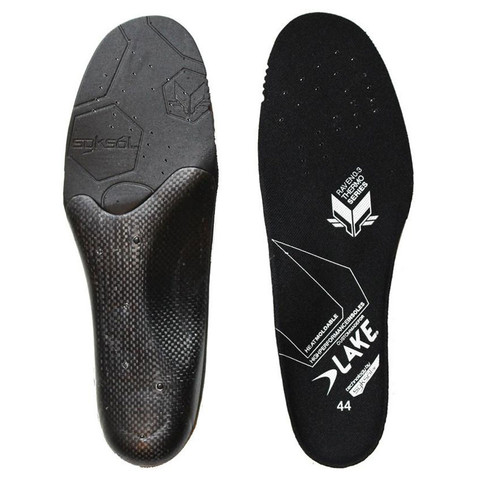
Insoles are the most overlooked performance upgrade in cycling. A mouldable insole reshapes to your foot's natural contours, which spreads load across a wider area and reduces the hot spots that cut rides short. The Lake Carbon Fibre Mouldable Insoles are designed to be reshaped to your foot, with a heel cup that expands for larger feet, and they're compatible with most cycling shoes.
For riders who want adjustability rather than moulding, the G8 Performance 2620 Pro Series Insoles offer five arch heights and eleven arch positions, plus an inbuilt metatarsal pad. The Currex BikePro Insoles come in high, medium and low arch profiles, and their finger test is the simplest way to work out which you need: if there's room to spare under your arch you want high, if it's snug you want medium, and if your finger won't fit you want low.
How to Choose Cycling Kit for Winter
Winter kit selection comes down to layering, visibility and keeping your extremities functional. Cold hands and wet feet end rides early, and no amount of fitness compensates.
Start with the feet, because they're hardest to fix mid-ride. Winter boots and overshoes keep water out, but they only work if there's room inside for a decent insole and a warm sock. Buying winter shoes in your summer size is a classic error.
Lake MX177 Wide Fit Mountain Bike Shoes →
For the body, the principle is three layers: a base layer that moves sweat away from skin, an insulating mid layer, and a windproof or waterproof outer shell. You want to be slightly cold for the first ten minutes. If you're warm standing in the driveway, you're overdressed for the first climb.
Don't neglect visibility. Lights and reflective detailing matter more in winter than at any other time of year, and the Highway Code rules for cyclists set out what's required and what's recommended for riding in poor light.
Cycling Gear Maintenance Best Practices
Maintenance is what separates gear that lasts a decade from gear that lasts a season, and shoes are where most cyclists neglect it.
Leather cycling shoes need conditioning to stay supple and weather-resistant. The Lake Leather Shoe Care Kit includes leather lotion, shoe oil, leather dressing, an applicator cloth and a cleaning brush, and it's designed for Lake's leather models. Note that the oil and dressing aren't suitable for suede or action leather, so check your shoe's material first.
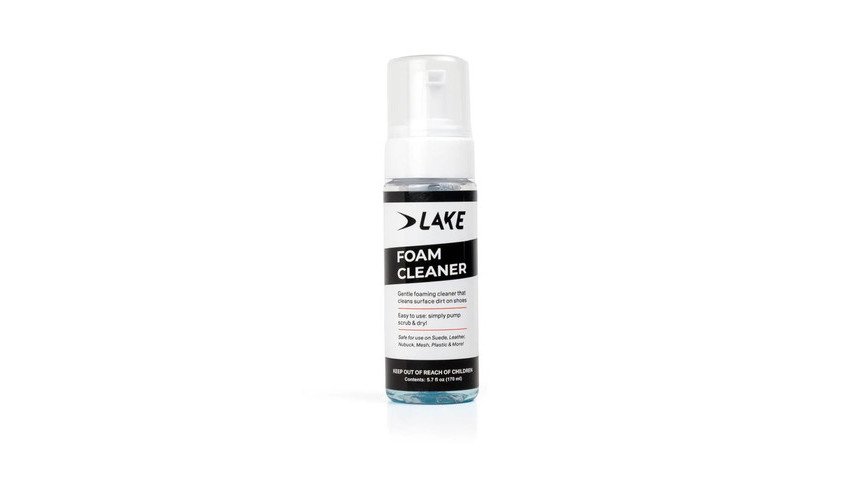
White shoes need different treatment. The Lake Dynamic Touch Up Kit applies to leather, synthetic or mixed materials with a built-in sponge applicator, and a thin even layer left to dry for fifteen minutes refreshes the finish and helps prevent cracking.
Worn heel pads are the quiet killer of expensive shoes. The Lake Heel Pad fits a range of CX and TX models and takes two screws under the insole at the bottom of the heel cup to replace. Replacing a heel pad before it wears through is far cheaper than replacing the shoe. BOA dials are similarly serviceable: the Lake BOA Dial LI2 and IP1 IP1S Colour Replacement Kits each include dials, laces and a BOA tool, and shoes with four dials need two kits. BOA offers a lifetime warranty on its lacing system, redeemable through its own website.
Maintenance Task | Frequency | Consequence of Skipping |
|---|---|---|
Clean and condition leather shoes | Monthly in wet season | Cracking, stiffness, water ingress |
Inspect heel pads | Every few months | Sole damage, expensive replacement |
Check BOA dial and laces | Before long rides | Mid-ride failure, no easy fix |
Replace insoles when compressed | Annually or as needed | Numbness, hot spots, power loss |
Refresh white shoe finish | As needed | Yellowing, cracking, lost flexibility |
Common Mistakes That Undo Expert Gear Selection
The most damaging mistake is buying shoes by length alone. Width and volume determine comfort far more than the number on the box, and a shoe that's the right length but too narrow will cause problems on every ride over an hour.
Buying winter kit in summer sizing is the second.
Conclusion
The hardest part of gear selection isn't finding products, it's knowing which ones suit your feet, your discipline and your conditions. That's a conversation, not a size chart, and it's exactly what we do at Salt Dog Cycling.
Frequently Asked Questions
How do I choose the right cycling gear for my riding style?
Start with where and how you ride. Road cyclists prioritise stiff soles and close-fitting apparel, mountain bikers need durable uppers and grippy treads, and touring riders want comfort over long distances. Then match fit before features: a shoe that fits properly matters more than any headline specification. Salt Dog Cycling's Lake Shoe Fit Tool helps narrow down sizing, and speaking to the team directly means you get advice based on your actual riding, not a generic size chart.
What should I look for when buying premium cycling accessories?
Look for compatibility first, then adjustability. Insoles such as the Currex BikePro come in high, medium and low arch profiles, so identifying your arch type decides which one suits you. Mouldable options like the Lake Carbon Fibre Mouldable Insoles can be reshaped to your foot and trimmed to fit. Replacement parts matter too: checking your exact shoe model against a BOA dial kit's compatibility list avoids ordering the wrong version. Buy once, buy correctly.
How often should I upgrade my cycling equipment for better performance?
Upgrade when something no longer does its job, not on a fixed schedule. Heel pads wear down and are cheap to replace before they damage the shoe. Insoles lose their support over time, and your foot shape can change too. BOA dials and laces can be replaced rather than forcing a new shoe purchase. Regular inspection tells you more than any calendar. If a component is still performing, keep it.
Why is professional advice important for selecting cycling components?
Because sizing and compatibility errors are the most common and most expensive mistakes. Cyclists with bunions or Morton's Syndrome often order multiple pairs online before finding a fit, which is frustrating and avoidable. A wide fit option like the Lake MX177, combined with proper measurement, removes most of that guesswork. Expert guidance also catches compatibility issues, such as whether your shoes need one BOA replacement kit or two, before you order.

Copyright 2026 Salt Dog Cycling. All Rights Reserved. Sitemap |