Loading... Please wait...





- Cycling Shoes
- Cycling Clothing
- Bike Parts
- Cassettes
- Pedals
- Cleats and Accessories
- Bike Chains
- Mudguards
- Saddles
- Seatposts
- Road Handlebars
- Handlebar Tape
- Handlebar Grips
- Bike Stems
- Inner Tubes
- Puncture Repair
- Bike Cables
- Road Wheelsets
- Brakes
- Mountain Bike Forks
- Bottom Brackets
- Bike Care and Maintenance
- Track Pumps
- Bike Tools
- Cycling Multi-Tools
- Mini Pumps and Co2
- Bike Tyres
- Cycling Helmets
- Cycling Accessories
- Car Bike Racks
- Turbo Trainers
- Bike Boxes
- Road Bikes
- Orro Parts and Accessories
- Kids Bikes
- Children's Bicycle Seats
- SALE
High-Quality Bicycle Components for Cycling Performance
Posted on 22nd Sep 2026
Table of Contents
- What Makes a Bicycle Component High-Quality?
- Best Road Bike Performance Upgrades
- How to Choose Bicycle Components for Racing
- Cycling Drivetrain Maintenance Tips
- Factors to Consider When Buying Bicycle Components
- Common Mistakes When Upgrading Bicycle Components
- Conclusion
- Frequently Asked Questions
Last Updated: 22 September 2026
What Makes a Bicycle Component High-Quality?
A high-quality bicycle component is one built from materials suited to its job, machined to tight tolerances, and designed to hold its performance as miles accumulate.
Three things separate quality parts from the rest:
- Material choice. Forged aluminium, carbon fibre, and heat-treated steel resist fatigue better than cheaper cast alternatives.
- Manufacturing tolerance. Bearings that seat properly spin freely for years rather than months.
- Serviceability. Quality parts can be adjusted, rebuilt, and maintained instead of replaced.
That last point matters more than most riders realise. A component you can service is a component that stays fast.
Best Road Bike Performance Upgrades
The best road bike performance upgrades are wheels and tyres first, then drivetrain components, because those are the parts that directly affect speed, efficiency, and control. Upgrading a frame rarely delivers the same return.
Wheels and Tyres
Wheels are the single biggest upgrade you can make. Reducing rotating weight has a greater effect than removing the same weight anywhere else on the bike, because you're accelerating that mass with every pedal stroke.
Tyres matter just as much. A supple casing and the right compound change how the bike feels and grips. Going tubeless reduces punctures and lets you run lower pressures for better traction.
Drivetrain Components
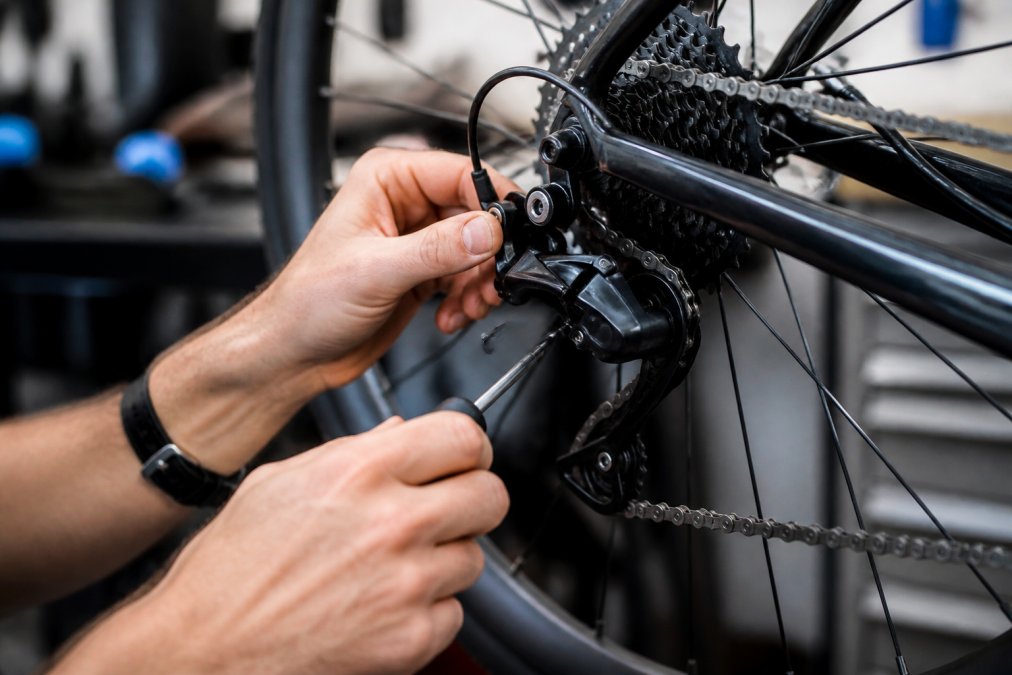
A crisp drivetrain is about shifting under load, not just shifting cleanly on the stand. Cassettes, chains, and derailleurs that hold their tolerances keep shifts sharp when you're climbing out of the saddle.
According to British Cycling's guidance on bike maintenance, regular drivetrain care is one of the most effective ways to protect performance and component life.
How to Choose Bicycle Components for Racing
Choosing bicycle components for racing comes down to matching weight, durability, and compatibility to your event and your body. Racing rewards low weight, but only where reliability holds up.
Weight vs Durability
Lighter is not automatically faster over a full season. Components pushed to their minimum weight often need more frequent replacement. For a criterium, saving grams may be worth it. For a long sportive or triathlon, reliability wins.
Compatibility and Fit
Compatibility is where most upgrades go wrong. Bottom bracket standards, hub spacing, freehub bodies, and brake mounts all vary. Check these before ordering anything.
Fit matters too, especially at contact points. Saddle height, bar width, and shoe fit affect power transfer and comfort over distance. If you're unsure, talk to people who ride what you ride.
Cycling Drivetrain Maintenance Tips
Cycling drivetrain maintenance tips come down to three habits: keep it clean, keep it lubricated, and check for wear before it damages other parts. A worn chain wears out your cassette and chainrings far faster than it should.
- Wipe the chain after wet rides and re-lubricate
- Check chain wear regularly with a gauge
- Clean the cassette and jockey wheels when they build up grime
- Replace cables and housing when shifting feels vague
A common mistake is over-lubricating. Excess lube attracts grit, which turns into grinding paste. Less, applied more often, works better.
Factors to Consider When Buying Bicycle Components
The factors that matter most when buying bicycle components are compatibility, intended use, material quality, and whether you can get advice before you commit. Getting these right saves money and frustration.
Factor | What to Check | Why It Matters |
|---|---|---|
Compatibility | Hub spacing, bottom bracket, brake mounts | Prevents parts that won't fit |
Intended use | Road, touring, or mountain | Matches durability to conditions |
Material quality | Forged vs cast, bearing type | Affects lifespan and feel |
Support | Access to expert advice | Avoids costly wrong purchases |
This is where a specialist retailer earns its keep. At Salt Dog Cycling, being run by cyclists means you can talk to someone who actually rides the kit before you buy. If you're worried about ordering online and ending up with gear that doesn't work, our team is here to help prevent that.
Common Mistakes When Upgrading Bicycle Components
The most common mistakes when upgrading bicycle components are chasing weight over durability, ignoring compatibility, and upgrading in the wrong order. Each one wastes money.
- Upgrading the frame first. Wheels and tyres deliver more speed per pound spent.
- Mixing incompatible standards. Always confirm fitment before ordering.
- Neglecting maintenance. New parts wear fast if the drivetrain is dirty.
- Buying without advice. A quick question prevents an expensive return.
For touring cyclists covering long distances, reliability beats marginal gains every time.
Conclusion
Getting the right components is less about spending the most and more about choosing parts that fit your riding, your bike, and your goals. That's the gap Salt Dog Cycling was built to close: a family-run shop where cyclists help cyclists pick high-quality products selected to enhance cycling performance, backed by expert advice, a premium selection of cycling clothing, bike parts, and accessories, and free delivery on all orders. Create an account with Salt Dog Cycling and get the guidance you need before you buy.
Frequently Asked Questions
What are the most effective bicycle component upgrades for performance?
Wheels and tyres give the biggest immediate gain because reducing rotating weight and rolling resistance makes acceleration and climbing easier. A quality drivetrain with smooth-shifting cassettes and chainsets improves power transfer. For racing, consider carbon handlebars and a stiff crankset. Prioritise contact points and rotating parts first, then frame-level upgrades. Salt Dog Cycling's team can help you match components to your riding style and budget.
How do high-quality components improve cycling efficiency?
High-quality bicycle components reduce energy loss through better bearings, stiffer materials, and tighter manufacturing tolerances. A well-made bottom bracket and chainring transfer more of your pedal stroke into forward motion. Lighter wheels spin up faster and hold speed on flats. Sealed bearings in hubs and jockey wheels cut friction and last longer between services. The cumulative effect is less effort for the same speed, which matters most on long rides and race days.
How often should I replace performance cycling components?
Chains typically last 2,000 to 3,000 miles depending on conditions and cleaning routine. Cassettes and chainrings wear with the chain, so replace them together if shifting degrades. Brake pads wear faster in wet, gritty conditions. Tyres should be replaced when the tread wears flat or sidewalls crack. Bearings in hubs and headsets need servicing annually or when you feel roughness. Regular checks prevent small wear from damaging expensive drivetrain parts.
Do lightweight bicycle components actually make a difference?
Yes, but where the weight sits matters more than total grams saved. Rotating weight at the rims and tyres affects acceleration and climbing effort far more than static weight on the frame. Saving 200g on wheels feels more noticeable than saving 200g on a seatpost. For racing, prioritise lightweight wheels and tyres. For touring, durability and reliability outweigh minor weight savings. Match the upgrade to your riding priorities rather than chasing the lowest number.
Latest Blog Posts

Copyright 2026 Salt Dog Cycling. All Rights Reserved. Sitemap |