Loading... Please wait...





- Cycling Shoes
- Cycling Clothing
- Bike Parts
- Cassettes
- Pedals
- Cleats and Accessories
- Bike Chains
- Mudguards
- Saddles
- Seatposts
- Road Handlebars
- Handlebar Tape
- Handlebar Grips
- Bike Stems
- Inner Tubes
- Puncture Repair
- Bike Cables
- Road Wheelsets
- Brakes
- Mountain Bike Forks
- Bottom Brackets
- Bike Care and Maintenance
- Track Pumps
- Bike Tools
- Cycling Multi-Tools
- Mini Pumps and Co2
- Bike Tyres
- Cycling Helmets
- Cycling Accessories
- Car Bike Racks
- Turbo Trainers
- Bike Boxes
- Road Bikes
- Orro Parts and Accessories
- Kids Bikes
- Children's Bicycle Seats
- SALE
Best Winter Cycling Gear Essentials
Posted on 4th Oct 2026
Table of Contents
- Why Winter Cycling Gear Essentials Matter
- 1. Winter Cycling Boots: Lake MXZ304
- 2. Winter Cycling Boots Wide Fit: Lake MXZ304 Wide Fit
- 3. Best Winter Cycling Gloves for UK Weather: Northwave Sonic
- 4. Foot Protection Layer: DeFeet Slipstream Overshoes
- 5. How to Layer for Winter Cycling: Merino Wool Essentials
- 6. Winter Cycling Visibility Tips: High-Visibility Jackets
- 7. Chain Maintenance in Winter: Green Oil Chain Lube
- Frequently Asked Questions
Last Updated: October 2, 2026
Winter cycling gear essentials are non-negotiable if you want to stay warm, visible, and comfortable on cold rides. At Salt Dog Cycling, we understand what actually makes the difference between a miserable winter commute and one you'll actually enjoy. The right equipment transforms your experience on the bike; it's not just about layering more; it's about choosing gear designed specifically for cold-weather performance.
This guide covers the 10 best winter cycling gear essentials that will keep you riding through the toughest months. We've selected each item based on real-world performance, durability, and the specific challenges riders face when temperatures drop.
Why Winter Cycling Gear Essentials Matter
Winter riding demands more from your equipment than any other season. Your body loses heat rapidly, moisture management becomes critical, and visibility drops significantly when daylight shrinks. Inadequate winter cycling gear essentials lead to numb fingers, frozen feet, and the temptation to abandon your bike for months.
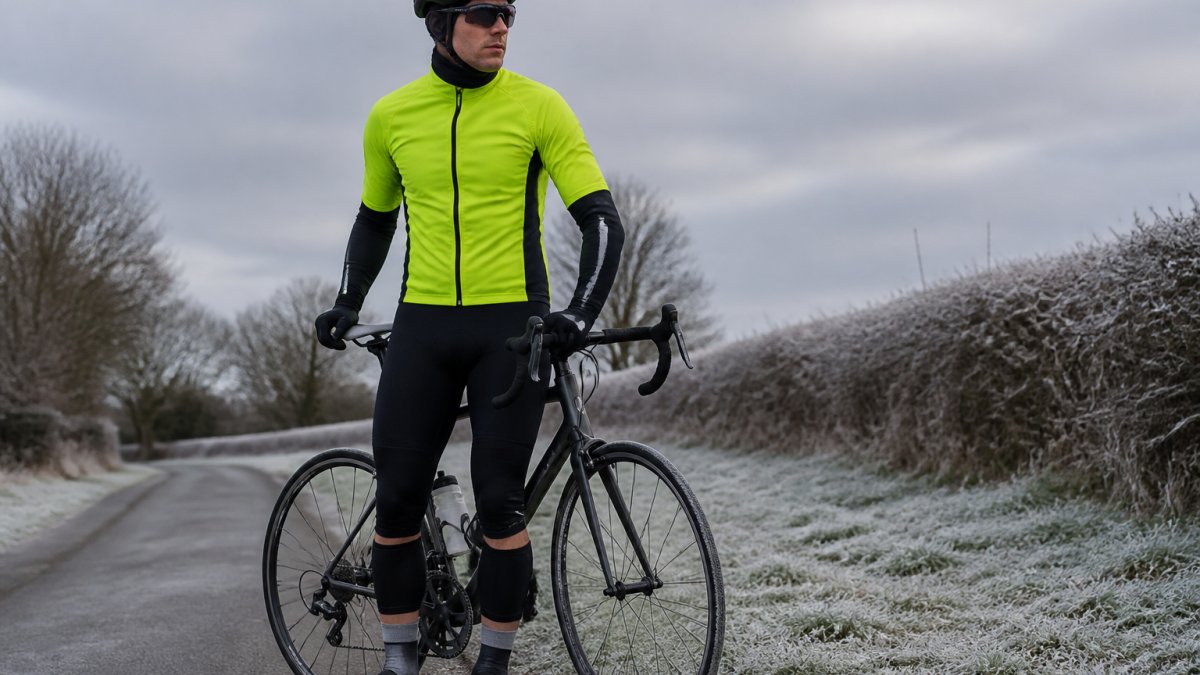
The stakes are higher in winter. Wet conditions accelerate rust on your drivetrain, salt corrodes components, and your feet suffer most because they're stationary on the pedals whilst your upper body generates heat. Poor visibility puts you at genuine risk; shorter days mean more commutes happen in darkness, and wet roads reduce reflectivity. Proper winter cycling gear essentials address all three problems at once: insulation, moisture management, and visibility.
British Cycling winter riding guide recommends layering as the foundation, but layering alone isn't enough. You need boots designed for winter, gloves that work with cold hands, and overshoes that shield your feet from wind and spray. The difference between "just getting through" and "actually enjoying winter riding" comes down to having the right gear from the start.
1. Winter Cycling Boots: Lake MXZ304
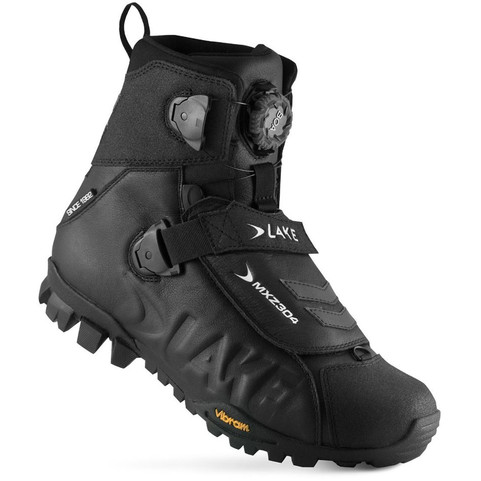
The Lake MXZ304 Winter Cycling Boots are the cornerstone of winter cycling gear essentials. These aren't just regular cycling shoes with extra padding; they're engineered specifically for cold-weather performance with a taller toe box that accommodates thicker socks without compromising circulation.
What makes them stand out: the Pittards WR100 water-resistant leather upper retains its suppleness in extreme cold whilst remaining breathable. Leather doesn't become stiff or brittle like synthetic materials do, and it naturally manages moisture. The 200-gram Thinsulate insulation runs from toe to heel, providing genuine warmth without absorbing water. The 100% Outlast temperature-regulating lining maintains consistent foot temperature and wicks moisture away from your skin, critical because internal dampness transfers cold into your core.
The Mid Power M4 BOA dial is designed to be adjusted easily whilst wearing winter gloves, and the leather over-flap with adjustable strap keeps snow and debris out of the boot. The Vibram Mountain V outsole provides real traction on wet, icy surfaces.
Best for: Riders who prioritise warmth and durability over weight. These boots excel on long winter rides where sustained cold exposure is the main challenge.
2. Winter Cycling Boots Wide Fit: Lake MXZ304 Wide Fit
Not every foot fits standard cycling shoes, and forcing your feet into boots that don't suit your shape is a recipe for numb toes and blisters. The Lake MXZ304 Wide Fit Winter Cycling Boots address this directly.
The wide-fit version uses the same core technology as the standard MXZ304: Pittards WR100 leather, Thinsulate insulation, Outlast temperature regulation, but with a roomier fit across the midfoot and forefoot. The key difference is the tongue-mounted push/pull Mid-Power BOA closure system with a larger dial, making adjustments easier when your hands are cold and gloved.
For riders with bunions, Morton's Syndrome, or simply wider feet, this boot prevents the compromise between warmth and comfort. You're not choosing between keeping your feet warm or keeping them pain-free; you get both.
Pros: Genuine wide fit without sacrificing insulation or weather protection. The larger BOA dial is easier to adjust in winter conditions.
Cons: Limited size range compared to standard shoes. Availability varies by season.
3. Best Winter Cycling Gloves for UK Weather: Northwave Sonic
Winter cycling gloves for UK weather need to handle wet, cold conditions without being so bulky that you lose control of your bike. The Northwave Sonic Winter Gloves strike that balance.
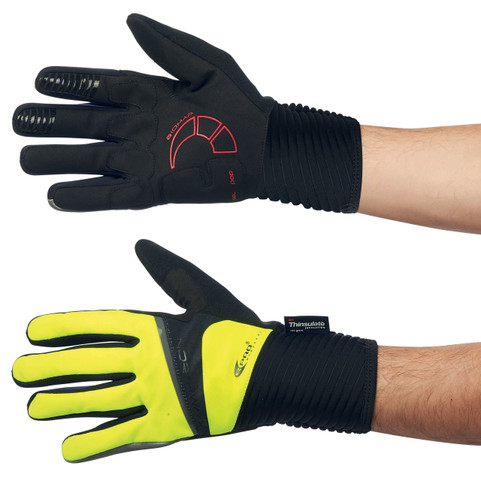
These gloves feature a synthetic leather palm with silicone prints for enhanced grip, even when wet. The NW4Pro wind-resistant membrane on the back creates a genuine windproof barrier; you'll notice the difference immediately on exposed descents. The 100-gram Thinsulate padding provides warmth without excessive bulk, and minimised gel pads preserve your ability to brake and shift smoothly.
The reinforced warm fleece thumbs matter more than you'd expect; your thumbs take the brunt of wind exposure, and fleece retention prevents that painful thumb-tip numbness. Reflective prints on the little fingers improve visibility when you're signalling or braking.
Lake MXZ304 Winter Cycling Boots →
Road.cc winter glove testing consistently identifies wind resistance and moisture management as the two factors that separate good winter gloves from mediocre ones. The Northwave Sonic handles both.
Best for: Commuters and recreational riders in wet, windy conditions. These gloves are practical rather than extreme; they'll keep your hands functional, not toasty.
4. Foot Protection Layer: DeFeet Slipstream Overshoes
Overshoes are the most underrated winter cycling gear essentials. They shield your feet from wind, spray, and cold whilst adding aerodynamic benefit. The DeFeet Slipstream Overshoes were developed specifically for this dual purpose.
Worn directly over your cycling shoes, they create a barrier that blocks wind chill and keeps road spray off your feet. The insulation is substantial enough to make a real difference on 30-minute commutes, and they're easy to remove when you arrive at your destination.
5. How to Layer for Winter Cycling: Merino Wool Essentials
Layering is the foundation of winter cycling comfort, and merino wool is the gold standard material. Unlike synthetic fabrics, merino wool stays warm when wet, regulates temperature naturally, and resists odour, critical when you're wearing the same base layer multiple times per week.
DeFeet Kneekers Wool Knee Warmers
Knees are vulnerable in winter cycling. They're constantly moving, which generates some heat, but they're also exposed to wind and spray. The DeFeet Kneekers Wool Knee Warmers keep your thighs and knees warm without restricting pedal movement.
DeFeet Merino Wool ArmSkin
Arm warmers extend your riding season and add flexibility to your layering system. The DeFeet Merino Wool ArmSkin protects your arms from wind and cold whilst remaining lightweight and low-bulk.
Northwave Easy Leg Warmers
For riders seeking a more affordable entry to winter cycling gear essentials, the Northwave Easy Leg Warmers offer practical warmth at a competitive price point. Made from polyester and elastane with a reflective logo, they provide wind protection and visibility.
6. Winter Cycling Visibility Tips: High-Visibility Jackets
Winter riding happens largely in darkness. Shorter daylight hours mean your commute begins before sunrise and ends after sunset, or both. Visibility isn't optional; it's essential to staying safe on the road.
Ride Protector Jacket
Best for: Commuters and recreational riders who ride in low-light conditions. This jacket prioritises visibility and weather protection over lightweight performance.
7. Chain Maintenance in Winter: Green Oil Chain Lube
Green Oil is within the 100ml fluid limit, so you can even take it in your hand luggage (for a cheeky bit of on-plane bike maintenance perhaps!).
Frequently Asked Questions
What is the most important piece of winter cycling gear essentials?
Proper winter cycling boots are critical—they protect your feet from the cold whilst maintaining pedalling efficiency. Cold feet reduce power output and increase injury risk. Quality boots with insulation, water-resistant leather, and temperature-regulating liners keep your feet warm and dry, which is essential for long winter rides. Everything else builds around this foundation.
How do I keep my feet warm whilst cycling in winter?
Layer your feet strategically: start with merino wool socks, wear insulated winter boots like the Lake MXZ304 with Thinsulate insulation, and consider overshoes for extra protection on very cold days. The Lake boots feature Outlast temperature-regulating liners and a 200-gram Thinsulate layer that maintains warmth without absorbing moisture. Proper fit is crucial—use the Lake Shoe Fit Tool to ensure your boots aren't too tight, as compression reduces circulation.
How do I layer for winter cycling to avoid overheating?
Start with a moisture-wicking merino wool base layer, add insulating mid-layers like knee warmers and arm sleeves, then top with a waterproof, breathable jacket. Merino wool stays warm even when wet and manages moisture better than synthetics. Choose garments with ventilation panels and adjustable closures so you can regulate temperature as you warm up. Remove layers gradually if you feel too hot rather than shedding everything at once.
Are winter cycling gloves worth the investment?
Yes. Cold hands reduce grip strength, brake control, and safety. Quality winter gloves like the Northwave Sonic feature synthetic leather palms with silicone prints for grip, 100g Thinsulate padding, windproof membranes, and reflective details. They're designed for adjustment with gloves on and keep hands warm and dry in wet conditions. The improved control and comfort justify the cost, especially for regular winter riders.
What visibility gear is essential for dark winter commutes?
Wear high-visibility jackets with reflective materials certified to safety standards. The Ride Protector Jacket offers neon yellow for daytime visibility and large reflective strips for night riding. Winter gloves with reflective prints on the little fingers improve hand visibility when signalling. Reflective elements on legs and arms increase your outline to drivers. Combine these with lights for comprehensive visibility in dark winter conditions.

Copyright 2026 Salt Dog Cycling. All Rights Reserved. Sitemap |