Loading... Please wait...





- Cycling Shoes
- Cycling Clothing
- Bike Parts
- Cassettes
- Pedals
- Cleats and Accessories
- Bike Chains
- Mudguards
- Saddles
- Seatposts
- Road Handlebars
- Handlebar Tape
- Handlebar Grips
- Bike Stems
- Inner Tubes
- Puncture Repair
- Bike Cables
- Road Wheelsets
- Brakes
- Mountain Bike Forks
- Bottom Brackets
- Bike Care and Maintenance
- Track Pumps
- Bike Tools
- Cycling Multi-Tools
- Mini Pumps and Co2
- Bike Tyres
- Cycling Helmets
- Cycling Accessories
- Car Bike Racks
- Turbo Trainers
- Bike Boxes
- Road Bikes
- Orro Parts and Accessories
- Kids Bikes
- Children's Bicycle Seats
- SALE
Blog - cycling shoes
How Big a Difference Do Cycling Shoes Make?
Posted on 1st Oct 2026
Table of Contents
- What Actually Changes When You Switch Cycling Shoes
- Cycling Shoe Stiffness Index Explained
- Benefits of Clipless Pedals for Road and Touring Riders
- Where Cycling Shoes Make the Least Difference
- Fit, Foot Shape and Getting Sizing Right
- Best Road Cycling Accessories for Winter 2026
- Frequently Asked Questions
Last Updated: 1 October 2026
What Actually Changes When You Switch Cycling Shoes
Ask most riders whether cycling shoes are worth the money and you'll get a shrug. Ask anyone who has spent four hours fighting numb toes on a long sportive, and you'll get a very different answer. At Salt Dog Cycling, we've helped numerous riders find the right shoes for their needs, whether they're chasing personal bests or simply aiming for comfortable long-distance rides. The honest verdict sits somewhere in the middle: shoes make a bigger difference than most people expect, but not always in the way they expect.

The short answer is that cycling shoes change three things: how efficiently your power reaches the pedal, how your feet feel after three hours in the saddle, and how connected you feel to the bike. Everything else is marketing.
Power Transfer and Pedalling Efficiency
A stiffer sole loses less energy to flex, so more of what your legs produce reaches the pedal. That's the whole mechanism. The difference between a soft-soled trainer and a proper carbon-soled road shoe is noticeable when you sprint or climb out of the saddle, where the shoe is loaded hardest. On a steady flat spin at conversational pace, the gap narrows considerably.
What most guides miss is that a stiffer shoe only helps if it fits well. A stiff sole under a loose heel wastes more energy than a flexible sole that holds your foot properly.
Comfort on Long Rides
Comfort is where shoes earn their keep. A well-fitted shoe distributes pressure across the whole foot rather than concentrating it under the ball or across the toes. That's the difference between finishing a long ride fresh and finishing it with hot spots you can feel for days.
- Heel hold: stops your foot sliding forward on every stroke
- Toe box width: matters more than most sizing charts suggest
- Closure spread: dual dials or two straps let you tune pressure separately
If you ride more than an hour at a time, comfort should drive your purchase decision far more than stiffness numbers.
Cycling Shoe Stiffness Index Explained
The cycling shoe stiffness index is a manufacturer's rating, usually from 1 to 15 or 1 to 10, describing how much a sole resists flexing under load. A higher number means a stiffer sole and more direct power transfer, at the cost of walking comfort and a less forgiving feel.
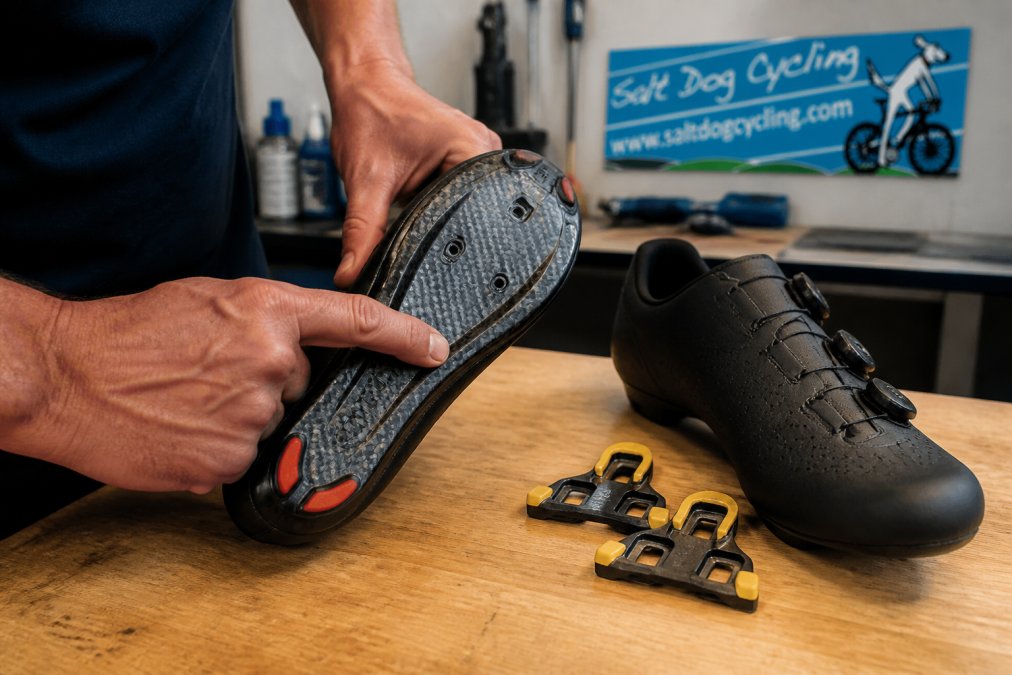
Here's the catch nobody puts on the box: the index is not standardised across brands. A 10 from one maker is not a 10 from another. Treat it as a rough guide within a single brand's range, not as a universal scale you can compare across the shop floor.
How to Match Stiffness to Your Riding
Match stiffness to how you actually ride, not how you'd like to ride.
| Riding Style | Suggested Stiffness | Why |
|---|---|---|
| Commuting and leisure | Low to mid | Walkability and comfort matter more |
| Long-distance touring | Mid | Balance of support and all-day comfort |
| Road racing and fast group rides | High | Maximum power transfer under load |
| Triathlon | High | Sustained effort, minimal walking |
A common mistake is buying the stiffest shoe available for weekend club runs. You gain very little and lose a lot of comfort.
Benefits of Clipless Pedals for Road and Touring Riders
Clipless pedals connect your shoe to the pedal with a cleat, and the main benefits are consistent foot position, better power transfer through the whole pedal stroke, and less foot movement on long rides. The name is confusing: "clipless" means you're no longer using toe clips and straps, not that nothing attaches you to the bike.
For touring riders, the real win is repeatability. Your foot lands in the same spot every time, which reduces knee strain over hundreds of kilometres. For road riders, the win is sprinting security: your foot won't slip off the pedal when you push hard.
Where Cycling Shoes Make the Least Difference
Shoes matter least on short, low-intensity rides. If your commute is twenty minutes at a relaxed pace, a stiff carbon sole buys you almost nothing. The same applies to casual leisure riding where you're stopping often and walking around.
There's also a ceiling on the gains. Once a shoe fits well and has a reasonably stiff sole, spending more rarely translates into measurable speed. The returns diminish fast, and past a certain point you're paying for weight savings and finish quality rather than performance.
Be honest about which category you're in. Plenty of riders would benefit more from a proper bike fit than from a more expensive pair of shoes.
Lake CX237 Road Cycling Shoes →
Fit, Foot Shape and Getting Sizing Right
Fit is the single biggest factor in whether cycling shoes work for you, and it matters far more than stiffness, weight, or brand. A stiff shoe that fits badly will hurt you. A mid-range shoe that fits perfectly will feel better than anything else you try.
Sizing is where online buying gets tricky. Cycling shoes often run differently to everyday shoes, and the right size depends on foot length, width, and volume together. Riders with bunions or Morton's neuroma need extra care around the toe box and forefoot, because a shoe that pinches there will cause problems on every ride.
This is exactly the gap Salt Dog Cycling was built to close. We're a family-run shop staffed by cyclists, and we'd rather talk you through your measurements than let you guess. Our Lake Shoe Fit Tool walks you through the measurements that actually predict fit, so you can order with confidence.
Heat Moulding and Heel Hold
Some carbon-soled shoes use heat-mouldable heel counters, which let you warm the shoe and shape the heel cup to your own foot. It's a genuine improvement for riders who struggle with heel lift, and it's the kind of adjustment that transforms a good shoe into one that feels custom.
A few practical points:
- Use a separate oven thermometer, because oven thermostats are often inaccurate
- Follow the manufacturer's temperature and timing exactly
- Focus on the heel cup area, which is where moulding does the most work
- Let the shoe cool fully on your foot before riding
British Cycling's guidance on bike setup and rider comfort is a useful starting point if you're working through fit issues more broadly.
Best Road Cycling Accessories for Winter 2026
Winter riding punishes kit, and the accessories that matter most are the ones that keep you comfortable enough to keep going. Shoe covers, thermal overshoes, and decent gloves top most riders' lists, but the single most overlooked winter upgrade is the shoe itself.
A shoe that fits properly in summer can feel tight in winter once you add thicker socks. If you're buying for year-round riding, factor in the extra volume. Riders who switch to a shoe with adjustable closure, like the Lake CX332 Road Cycling Shoes with its dual side-mounted dials, can loosen things off on cold days without losing heel hold.
Other accessories worth considering for the season ahead:
- Overshoes: keep wind and road spray off the upper
- Merino socks: warmth without bulk, which preserves shoe fit
- Cleat covers: protect cleats when you're off the bike
- Waterproof saddle bag: keeps spares dry and accessible
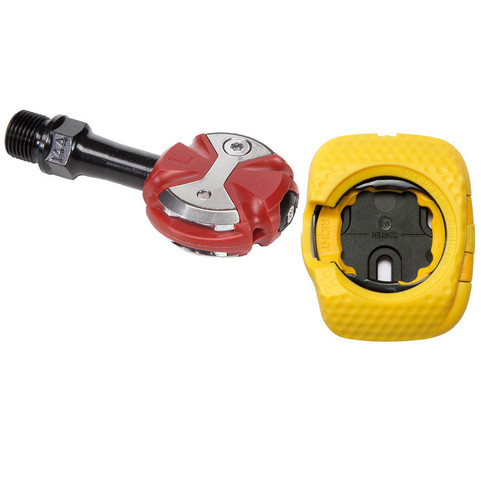
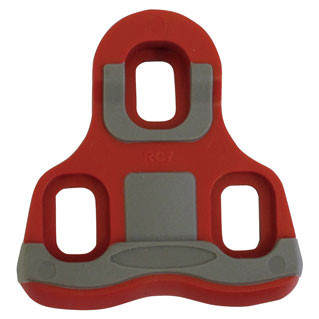
If you're pairing new shoes with new pedals, a system like the Speedplay Zero Chromoly Road Pedals V2 offers adjustable float, which some riders find kinder on the knees over winter base miles. New cleats, such as ETC Look Keo Compatible Road Pedal Cleats, are a cheap way to refresh a worn connection before it starts causing foot movement.
The real challenge with cycling shoes isn't choosing the stiffest or lightest pair, it's finding the one that fits your feet and suits the riding you actually do. Get that wrong and no amount of carbon will save you. At Salt Dog Cycling, we're cyclists first, and we'll help you work through sizing, stiffness, and cleat setup before you buy. Create an account with us and you'll get free delivery on every order, plus direct access to a team that will talk you through the fit questions most shops won't.
Frequently Asked Questions
Do cycling shoes actually make you faster?
They can, but the gain is smaller than most riders expect. A stiff sole and a secure clipless connection reduce wasted movement at the pedal, which matters most when you are pushing hard or sprinting. On steady, gentle rides the difference is modest. The bigger wins usually come from better fit, consistent foot position and fewer hot spots over long distances.
What are the main benefits of clipless pedals?
Clipless pedals lock your foot to the pedal, so your position stays consistent through every stroke. That means less slipping, better power delivery and, with float, reduced strain on your knees. Dual-sided systems are easier to engage at junctions, while adjustable float lets you fine-tune how much your foot can rotate. Most riders notice the change most on climbs and longer rides.
Can you wear normal trainers with road bike pedals?
You can ride a road bike in trainers if the pedals have a flat platform side, but you lose the secure connection. Trainers flex under load, so pressure spreads unevenly across the foot and hot spots appear on longer rides. The sole also grips poorly on metal pedal bodies in wet conditions. For short commutes it is fine; for regular training, proper cycling shoes work better.
Are cycling shoes necessary for beginners?
Not immediately. If you are riding short distances at an easy pace, flat pedals and supportive trainers are perfectly adequate. Cycling shoes become worthwhile once you start riding further, chasing pace or dealing with foot discomfort. Fit matters more than price at that stage, so try before you commit and pay attention to width and heel hold rather than stiffness alone.

Copyright 2026 Salt Dog Cycling. All Rights Reserved. Sitemap |