



Choosing Bike Components for Long Distance Rides in 2026
Posted by Richard Sault on 22nd Nov 2026
Last Updated: November 3, 2026
Quick Summary
Choosing bike components for long distance rides comes down to prioritising reliability over weight, then refining comfort at the contact points before chasing grams. Spend your budget on saddle, bar tape, tyres and wide-range gearing first, and check compatibility before you buy.
- Prioritise parts that fail gracefully, then comfort, then weight savings.
- A 28mm to 32mm tyre suits most long-distance road riding without a meaningful speed penalty.
- Aim for a lowest gear around 1:1 or easier if you carry luggage.
- Measure your sit-bone width and adjust saddle height, tilt and fore-aft before buying.
- Your repair kit should cover punctures, snapped chains, loose bolts and broken cables.
Table of Contents
- The Long Distance Rides Component Framework
- Best Gearing for Long-Distance Cycling
- Best Tyres for Long-Distance Road Cycling
- Finding a Comfortable Bike Saddle for Long Rides
- Bar Tape and Grips: The Contact Points Riders Overlook
- Building a Long-Distance Cycling Repair Kit
- Compatibility and Installation Checks Before You Buy
- Getting Expert Help to Spec Your Long Distance Rides
- Frequently Asked Questions
The Long Distance Rides Component Framework
Choosing bike components for long distance rides comes down to one principle: reliability beats weight every time. A rider stranded far from home with a snapped derailleur hanger cares nothing about saving grams. Long distance rides reward equipment that keeps working when you're tired, the weather turns, and the nearest bike shop is a long way behind you.
That's why we build every long distance setup around a simple framework: prioritise parts that fail gracefully, then refine comfort, and only then chase grams.
Reliability Before Weight
Weight matters, but only after reliability is settled. A lightweight cassette that wears quickly costs you more than the grams it saves. Look for components with a reputation for durability in touring and audax circles: steel chainrings over aluminium where wear matters, sealed bearings over cup-and-cone, and cables that can be replaced at the roadside. The Cycling UK's guidance on bike maintenance and touring is a sensible starting point for understanding what wears and when.
Contact Points First, Drivetrain Second
Your hands, backside and feet absorb every mile. Spend your budget there before you upgrade the drivetrain. A comfortable saddle and quality bar tape can transform a ride; a fancy rear mech cannot. Once contact points are sorted, move to gearing and tyres, then the drivetrain.
| Priority | Component | Why It Matters | Typical Upgrade Order |
|---|---|---|---|
| 1 | Saddle | Prevents sores and numbness | First |
| 2 | Bar tape and grips | Reduces hand fatigue | First |
| 3 | Tyres | Puncture resistance and comfort | Second |
| 4 | Gearing | Keeps you spinning on hills | Second |
| 5 | Drivetrain | Wear and shifting precision | Third |
Best Gearing for Long-Distance Cycling
The best gearing for long-distance cycling is a wide-range setup that lets you spin up steep climbs without grinding, paired with ratios that keep your cadence comfortable on the flat. For most riders, that means a compact chainset or a sub-compact, combined with a cassette that offers a generous lowest gear.
A common mistake is copying a racer's gearing. Racers have support cars and fresh legs; you have a loaded bike and eight hours in the saddle. Aim for a lowest gear around 1:1 or easier if you carry luggage. If you're coming from a standard double, expect the first steep hill to feel dramatically different, in a good way.
Best Tyres for Long-Distance Road Cycling
The best tyres for long-distance road cycling balance puncture protection, rolling resistance and comfort rather than chasing pure speed. A slightly wider tyre run at lower pressure often rolls as fast as a narrow one while cushioning rough tarmac and reducing fatigue over many hours.
Width, Pressure and Puncture Protection
Go wider than you might expect. A 28mm to 32mm tyre suits most long-distance road riding, offering more air volume and grip without a meaningful speed penalty. Fit a puncture-resistant casing, and check your pressures before every big ride. A reliable digital gauge takes the guesswork out of it.
Watch out: over-inflating to "feel fast" can make the ride harsh and may increase puncture risk on rough surfaces.
Finding a Comfortable Bike Saddle for Long Rides
A comfortable bike saddle for long rides is one that matches your sit bones and riding position, not the softest or most expensive model on the shelf. Measure your sit-bone width, choose a shape that supports you without pressure points, and give yourself a few rides to adapt before deciding.
What most guides miss is that saddle comfort is about position as much as padding. A saddle tilted nose-up or set too high will cause problems regardless of the model. Small adjustments to height, tilt and fore-aft often solve more than a new purchase.
Bar Tape and Grips: The Contact Points Riders Overlook
Bar tape and grips are the cheapest comfort upgrade you can make, and the one most riders neglect until their hands hurt. Fresh, grippy tape absorbs road vibration and gives you secure purchase in the wet, which matters enormously when you're tired.
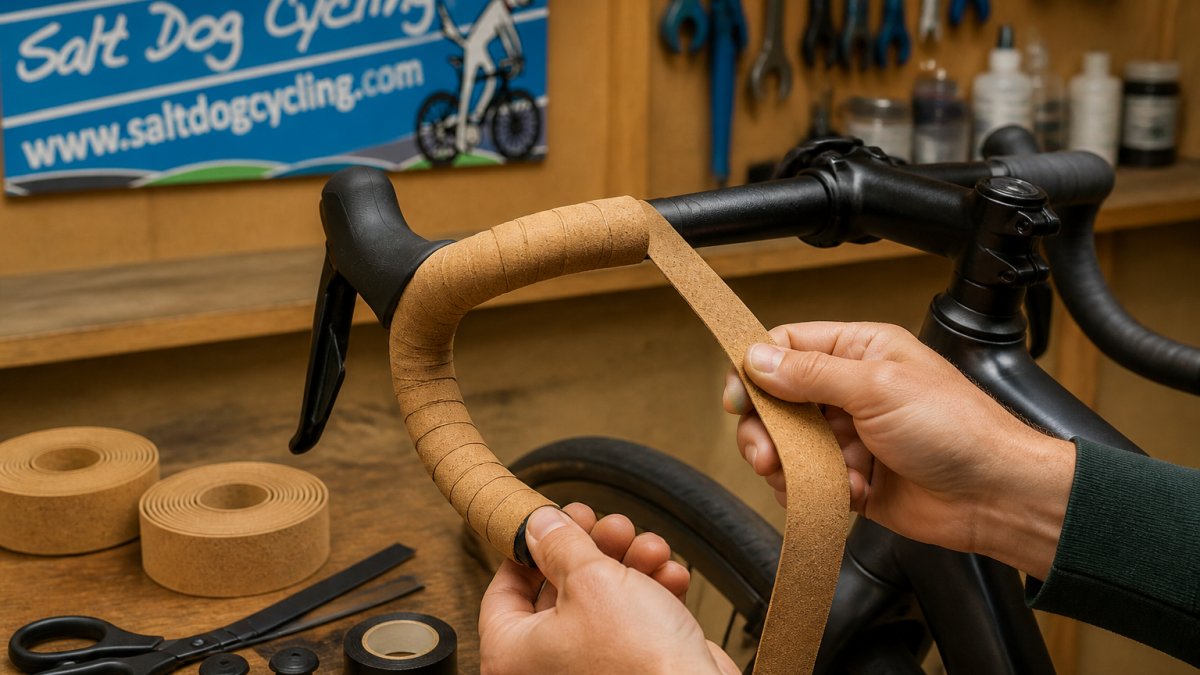
For drop bars, cork-based tape can offer durability and vibration damping, and you can browse the Prologo Plain Touch Bar Tape and other Prologo options from our range. Riders wanting extra hand positions on long tours should consider bar end grips, such as the Velo Attune Comfort Triple Textured Bar End Grips, which feature an ergonomic shape with a built-in bar end.
Velo Attune Comfort Triple Textured Bar End Grips →

Building a Long-Distance Cycling Repair Kit
A long-distance cycling repair kit should let you fix the most likely failures at the roadside without carrying a workshop. Pack for the failures that actually happen: punctures, snapped chains, loose bolts and broken cables.
- Two spare inner tubes and a patch kit
- Tyre levers and a compact pump
- Chain tool and a quick link
- Multi-tool with hex keys and screwdrivers
- Spare gear and brake cable
- Cable ties and a small roll of tape
- Emergency contact card and a little cash
A saddle pack keeps it all secure and out of the way.
Compatibility and Installation Checks Before You Buy
Compatibility is where most component purchases go wrong, so check before you click buy. Confirm your frame's axle standard, brake mount type and maximum tyre clearance before ordering wheels or tyres. For drivetrains, check cassette freehub compatibility and derailleur capacity against your intended gear range.
Installation deserves the same care. Torque bolts to spec, route cables cleanly, and bed in new brake pads before a big ride. A common mistake is fitting a wider tyre without checking frame clearance; it may rub under load, which you'll only discover halfway through a long day.
Getting Expert Help to Spec Your Long Distance Rides
Getting expert help to spec your long distance rides can save time and avoid costly mistakes. If you're unsure about sizing, gearing or compatibility, our team at Salt Dog Cycling is happy to talk it through. You can also find expert cycling advice in Derby to help you spec your long distance rides.
We also offer the Lake Shoe Fit Tool to help you get footwear sizing right, which matters enormously over long distances.
Frequently Asked Questions
What bike components matter most for long-distance rides?
The components you touch and depend on matter most: saddle, bar tape or grips, tyres and gearing. A saddle that suits your sit bones and a bar tape that damps road vibration reduce fatigue over hours in the saddle. Tyres with dependable puncture protection and a gear range that lets you spin up climbs without grinding keep you moving. Drivetrain parts should prioritise durability over saving grams.
What gearing is best for long-distance cycling?
A wide-range setup with a low bottom gear is the safest choice. Look for a compact or sub-compact chainset paired with a cassette that gives you a climbing gear around 1:1 or easier. That lets you keep a steady cadence on long climbs instead of forcing a big gear when tired. Check your rear derailleur's maximum cassette size before buying, and confirm the chain length works with the new range.
Are wider tyres better for long-distance cycling?
Wider tyres, typically 28mm to 32mm for road riding, run at lower pressure and absorb more road vibration, which reduces fatigue on long days. They also tend to offer more grip and puncture protection than narrow racing tyres. The trade-off is slightly more weight and a small aerodynamic cost. Check frame and brake clearance before going wider, and pick a tyre with a durable casing for endurance riding.
How do I choose a comfortable saddle for long rides?
Start with saddle width matched to your sit bone measurement, then choose shape: a cut-out or channel relieves pressure on soft tissue for many riders. Avoid changing saddle, bar height and cleat position all at once; change one thing and test it over several rides. A saddle that feels fine for 30 minutes can become painful at four hours, so build distance gradually before a big event.
What should I carry for bike repairs on a long ride?
A long-distance cycling repair kit should cover the failures that stop you: spare inner tubes or a tubeless plug kit, tyre levers, a mini pump, a multi-tool with chain breaker, a quick link, and a patch kit. Add a small length of duct tape, cable ties and a spare gear hanger if your frame uses one. Carry it in a saddlebag so it stays with the bike, and practise using the chain tool at home before you need it.
How can I make my bike more comfortable for endurance rides?
Work through the contact points first: saddle, bar tape or grips, gloves and shoes. Then check fit: bar height, reach and cleat position affect how weight is distributed over hours. Tyre pressure matters too, and lower pressure on wider tyres often improves comfort more than any component swap. Change one item at a time and test over increasing distances so you know what actually helped.
How do I know new components will fit my bike?
Check the specifications before ordering: tyre clearance at frame and brakes, derailleur cassette capacity, handlebar diameter for bar tape and grips, and saddle rail compatibility. For shoes, use a proper fit tool rather than guessing your size. If you are unsure, ask the retailer for advice with your bike's model and current setup to hand, and keep the packaging until you have test-fitted the part.
Long distance riding punishes gear that looks good on paper but fails in practice. If you want components chosen for reliability and comfort rather than marketing, our team can help you spec the right setup. Create an account with Salt Dog Cycling to access personalised advice, free delivery on all orders, and a range of clothing, parts and accessories selected by cyclists for cyclists.
