



7 Winter Cycling Clothes for Women to Wear in 2026
Posted by Richard Sault on 22nd Nov 2026
Last Updated: 5 November 2026
Quick Summary
Winter cycling clothes for women in 2026 work best as a three-part layering system: a sweat-wicking base layer, an insulating mid-layer or thermal jersey, and a windproof or waterproof outer shell you can remove as you warm up. Dress so you feel slightly cold for the first ten minutes.
- Merino wool stays warm when damp and resists odour on multi-day rides.
- Below 2°C, add a skull cap, winter gloves and overshoes or winter boots.
- Choose base layers with a longer body so they don't ride up on the bars.
- Lake recommends going up a size from your normal shoe size in the MXZ303 boots.
- Spend most on gloves, footwear and the outer shell, where weather hits hardest.
Table of Contents
- What to Wear Cycling in Cold Weather: A Layering System for Women
- Women's Winter Cycling Jacket: Windproof and Waterproof Protection
- Winter Cycling Gloves: Keeping Hands Warm and Functional
- Winter Cycling Overshoes and Boots for Cold, Wet Feet
- Base Layers and Bib Tights: The Foundation of Winter Comfort
- How to Choose Winter Cycling Clothes for Women: Fit, Visibility and Budget
- Build Your Winter Kit with Salt Dog Cycling
- Frequently Asked Questions
What to Wear Cycling in Cold Weather: A Layering System for Women
Most riders make the same mistake: they buy one thick jacket and assume it does everything. It doesn't. A single heavy layer traps sweat, then chills you the moment you stop.
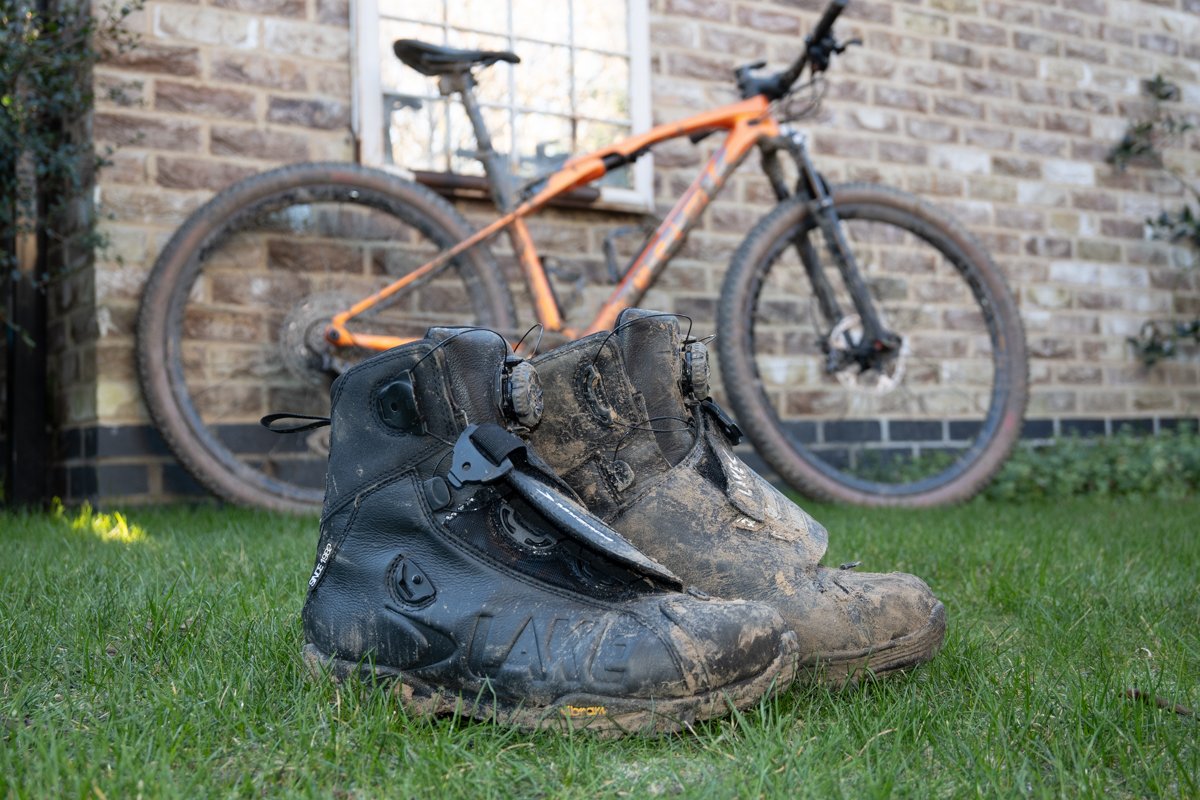
Dressing for the temperature on the doorstep rather than twenty minutes into the ride is the mistake to fix first.
The three layers, in plain terms:
- Base layer: moves sweat away from your skin so you stay dry. Merino wool or a synthetic wicking fabric both work.
- Mid-layer: traps warmth. A thermal jersey or insulated gilet is the usual pick.
- Outer shell: blocks wind and rain without sealing sweat in.
A useful rule of thumb is to dress so you feel slightly cold for the first ten minutes. You'll be at the right temperature once you're moving. If you're toasty standing in the driveway, you're overdressed.
Outfit combinations by temperature band
General layering advice only gets you so far. What helps is knowing what to wear at a specific temperature. These combinations assume a steady ride of an hour or more; lighten them for stop-start commuting.
- Below 2°C, dry and still: merino base layer, thermal jersey, windproof shell with a dropped tail, thermal bib tights, winter gloves, overshoes or winter boots, and a skull cap under the helmet. Carry a gilet in a pocket for the inevitable temperature swing.
- 2-6°C, dry: synthetic wicking base layer, long-sleeve thermal jersey, lightweight windproof gilet rather than a full shell, thermal bib tights, long-finger gloves, and overshoes. Add arm warmers if you run cold.
- 6-10°C, showery: short-sleeve or lightweight long-sleeve base layer, jersey with arm warmers, packable waterproof shell, leg warmers over shorts or three-quarter tights, and a lighter long-finger glove. This is the band where breathability matters more than insulation.
- Any temperature with wind or rain: add a windproof or waterproof shell with taped seams, and prioritise a jacket with a two-way zip so you can vent from the bottom on climbs. Wet plus windy is colder than the number suggests, so err on the side of one more layer than you think you need.
Women-specific fit details that change the layering game
A layering system only works if each layer fits properly, and women's kit often falls short in predictable places.
Pockets matter more in winter because you're carrying more: a gilet, arm warmers, a phone, possibly a spare base layer.
Women's Winter Cycling Jacket: Windproof and Waterproof Protection
A women's winter cycling jacket is the piece that decides whether a ride is pleasant or miserable, and it needs to do two jobs at once: block wind and rain on the outside while letting sweat escape from the inside. Wind is the bigger thief of warmth on most rides, so wind resistance matters even on dry days.
Fit is where women's jackets often fall short. Look for a cut shaped through the shoulders and waist rather than a boxy unisex shell, and check the sleeves are long enough when you're stretched onto the bars. A jacket that rides up at the back lets cold air straight down your spine.
What to look for:
- A windproof front panel with a breathable back
- A dropped tail to cover your lower back
- Two-way zips so you can vent from the bottom
- Reflective details on the rear and sleeves
For a protective outer layer, the Ride Protector Jacket is a windproof, waterproof option worth a look. Best for: riders who want one dependable shell over their layers. Skip if: you only ride short, mild commutes and prefer a lighter gilet.
Winter Cycling Gloves: Keeping Hands Warm and Functional
Winter cycling gloves need to keep your hands warm without taking away your grip, your brake feel or your ability to change gear.
Look at three things: a wind-resistant back, a palm that grips well in the wet, and enough padding to soften rough roads without numbing your feel for the bars. Reflective prints on the little fingers help drivers spot your hand signals in low light.
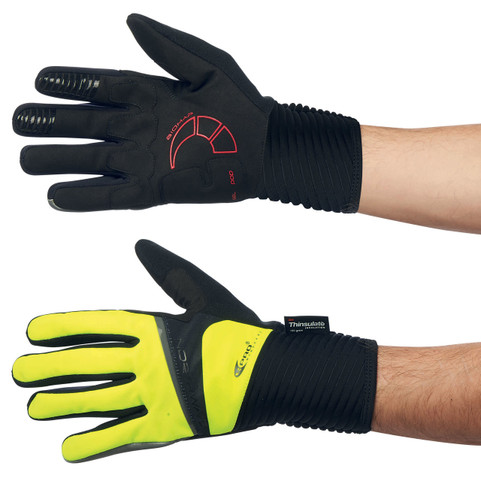
The Northwave Sonic Winter Gloves pair a wind-resistant membrane with a synthetic leather palm and silicone prints for grip, plus 100g Thinsulate padding and warm fleece thumbs.
For milder days, a thinner long-fingered glove with touchscreen-friendly fingertips keeps dexterity high. If your hands run cold, add a thin liner glove underneath rather than buying the thickest glove you can find, since thick padding costs you bar feel.
Winter Cycling Overshoes and Boots for Cold, Wet Feet
Winter cycling overshoes add a windproof, insulating layer over your regular cycling shoes, while winter cycling boots build that protection in permanently with a waterproof upper and insulated lining. Overshoes are one route; boots are another for anyone riding through the worst of the season.
Feet get cold because road spray and wind chill the shoe, and once the shoe is cold your feet follow. Overshoes block wind and spray, transforming a standard road shoe into something you can ride through winter.
When the cold is serious and the rides are long, boots pull ahead. The Lake MXZ303 Winter Cycling Boots use Pittards WR100 water-resistant leather, an Outlast temperature-regulating insole, 3M Thinsulate lining in the toe box and a side-mounted BOA lacing system, with a heavy-duty Vibram outsole.
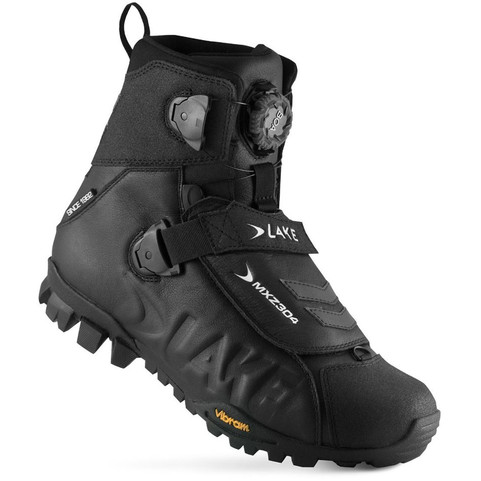
A word on fit: Lake recommends going up a size from your normal shoe size in these boots.
Lake MXZ303 Winter Cycling Boots →
Base Layers and Bib Tights: The Foundation of Winter Comfort
Base layers and bib tights do the quiet work that makes the rest of your winter kit function. The base layer manages moisture next to your skin, and bib tights keep your legs insulated without the bulk of full trousers.
For the base layer, merino wool is hard to beat. It stays warm even when damp and resists odour on multi-day rides. A synthetic wicking base layer dries faster and costs less. Either way, skip cotton entirely, because it holds sweat against your skin and turns cold fast.
On the legs, thermal bib tights with a brushed inner face are the standard winter choice. Add leg warmers to convert summer shorts for shoulder-season rides, and arm warmers for the same flexibility up top.
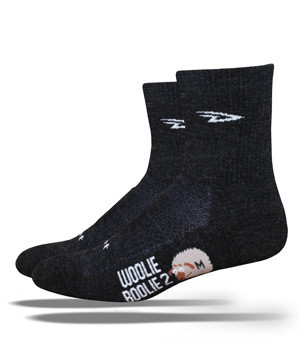
Socks matter more than most riders expect. The DeFeet Woolie Boolie 2 Socks are 70% merino wool with a padded sole and arch compression.
How to Choose Winter Cycling Clothes for Women: Fit, Visibility and Budget
Choosing winter cycling clothes for women comes down to three checks: does it fit properly, will drivers see you, and does the cost make sense for how often you'll wear it? Get those right and you avoid the classic mistakes of buying kit that's too big or barely used.
Fit. Women-specific patterns matter. For footwear, use the Lake Shoe Sizing guide to get the right size before you buy, especially if you're between sizes or sizing up for winter boots.
Visibility. Reflective trim helps, but it isn't enough on its own.
Budget tiers and where to spend
Winter kit adds up, so think in tiers rather than buying everything at once. Pricing depends on the brand and season, so check current prices on the Salt Dog Cycling website or request a quote.
- Affordable tier: synthetic wicking base layers, a basic thermal jersey, leg warmers over summer shorts, and a packable windproof gilet. This tier gets you riding in mild-to-moderate cold and is a sensible starting point if you're testing whether winter riding is for you.
- Mid-range tier: merino base layers, a windproof shell with a dropped tail and venting, thermal bib tights, and long-finger gloves with a wind-resistant back. This is the sweet spot for most regular riders, because it covers the pieces that most affect comfort without paying for race-level fabrics.
- Premium tier: a waterproof and breathable shell with taped seams, winter cycling boots, and insulated gloves with a membrane. Spend here if you ride through the worst of the season, commute daily, or ride long distances where cold and wet become safety issues rather than inconveniences.
The pieces closest to your skin and most exposed to weather are where money matters most: gloves, footwear and the outer shell. Base layers and socks can be modest and still do a fine job.
| Piece | What to check | Where to spend | | --- | --- | | Base layer | Wicking fabric, no cotton, long body | Modest is fine | | Mid-layer | Warmth without bulk, shaped fit | Mid-range | | Outer shell | Windproof, breathable, dropped tail, venting | Spend here | | Gloves | Grip, wind resistance, padding, touchscreen | Spend here | | Feet | Overshoes or winter boots, correct size | Spend here |
Care, durability and repair
Technical winter clothing lasts longer if you look after it, and this is where many riders undo their investment.
Build Your Winter Kit with Salt Dog Cycling
Building a winter kit is easier when you can ask a cyclist rather than guess from a product photo. We're a family-run shop run by cyclists, and we're happy to talk through fit and sizing.
Start with the layer that's letting you down most. If your hands go first, sort the gloves. If your feet are the problem, look at boots or overshoes. Then build outward, adding a windproof shell and a warm base layer as the season bites.
If you're unsure on sizing, our Lake Shoe Fit Tool takes the guesswork out of winter footwear, and you can browse the full Lake Cycling Shoes collection to match a boot to your riding. Free delivery is offered on all UK orders, and you can call the team on +44 (0)1332 739747 if you'd rather talk it through.
Frequently Asked Questions
What should women wear for cycling in winter?
Start with a moisture-wicking base layer, add an insulated mid-layer and finish with a windproof or waterproof jacket. Bib tights or leg warmers cover the legs, while winter cycling gloves, overshoes and a merino sock keep extremities warm. A gilet adds core warmth on milder days. The aim is to stay warm without overheating, so you can remove a layer as your ride intensity rises.
How do you layer clothes for winter cycling?
Use three layers. The base layer moves sweat away from your skin, the mid-layer traps warmth, and the outer layer blocks wind and rain. Choose a thin, sweat-wicking base layer rather than cotton, which holds moisture. On very cold days, add an insulated gilet or jacket. Adjust layers as you warm up: unzip the jacket on climbs and zip up on descents to regulate temperature.
Are padded winter cycling tights worth it?
Yes, if you ride regularly in cold weather. Padded winter bib tights combine a chamois with thermal fabric, so you get comfort and warmth in one garment. They remove the need to layer shorts under tights, which can bunch and cause chafing. Look for a women-specific chamois and a high, wind-blocking front panel for extra protection on long, cold rides.
How do you keep hands and feet warm while cycling in winter?
For hands, choose winter cycling gloves with a windproof membrane and insulation, such as the Northwave Sonic. For feet, wear merino socks and winter cycling overshoes over your shoes, or step up to insulated winter cycling boots. Keep your core warm too, because your body reduces blood flow to extremities when it is cold. Avoid tight shoes and gloves that restrict circulation.
What should you wear under a winter cycling jacket?
Wear a sweat-wicking base layer next to your skin and add an insulated mid-layer or cycling jersey on colder days. Avoid cotton, which stays damp. A thin merino or synthetic base layer works well because it manages moisture and regulates temperature. If the jacket has good breathability, two layers under it are usually enough for most winter rides.
Cold rides reward preparation, and the right layers turn a grim morning into a good one. Get your base layer, shell and extremities right and you'll ride further and more often through the colder months. Create an account with Salt Dog Cycling to shop winter clothing, boots and accessories with free UK delivery and expert advice from riders who use the kit themselves.
