



Are Lightweight Road Bike Components Worth It?
Posted by Richard Sault on 22nd Nov 2026
Table of Contents
- Are Lightweight Road Bike Components Worth It? The Honest Answer
- What Road Bike Weight Savings Actually Buy You
- Lightweight vs Standard Components: A Like-for-Like Comparison
- Lightweight Road Bike Wheels: The Upgrade With the Biggest Payoff
- Carbon Road Bike Components: Where the Money Is Well Spent
- The Smartest Lightweight Road Bike Upgrades, Ranked
- The Drawbacks Nobody Mentions: Durability, Cost and Diminishing Returns
- Conclusion: Who Should Spend, and Who Shouldn't
- Frequently Asked Questions
Last Updated: 5 October 2026
Are Lightweight Road Bike Components Worth It? The Honest Answer
Are lightweight road bike components worth it? Sometimes yes, often no, and the difference comes down to where the grams are saved. This guide from Salt Dog Cycling breaks down which upgrades genuinely change how a bike rides, and which ones mostly change the number on your credit card.
Here's the uncomfortable truth: a lighter bottle cage will not make you faster. A lighter wheelset might. The industry sells weight as a single virtue, but your legs feel rotating mass, climbing gradient, and road surface far more than they feel a small saving on a seatpost clamp.
So before you spend anything, it helps to understand what road bike weight savings actually buy you. Below, we rank the upgrades by real-world payoff, explain the drawbacks nobody mentions, and show you how to spend sensibly.
What Road Bike Weight Savings Actually Buy You
Road bike weight savings buy you faster acceleration, easier climbing, and less fatigue on long rides, but only when the saving is large enough to notice. Most riders can feel a difference when the saving is substantial on a wheelset. Below that, the gain is real but marginal.
The trick is knowing where that weight sits.
The Climbing Maths, Without the Hype
Climbing speed depends on the total mass you're lifting: you, your kit, and the bike together. Shaving a small amount of weight off a bike that already weighs around 9 kilograms, with a rider on top, changes the total by a few percent at most. On a long climb, that's seconds, not minutes.
The maths gets more interesting when you're already near your limit. If you're chasing a personal best up a favourite hill, every gram counts a little more. If you're riding for fun and fitness, the bike is rarely the bottleneck.
Where Weight Matters Less Than You Think
Static components are where weight savings go to die. Bottle cages, bolts, seatpost clamps, and bar tape contribute almost nothing to how the bike feels under power. A lighter cage is a nice touch, not a performance upgrade.
A common mistake is spending big on these small parts first, because they're cheap and easy to swap. The gains are real on a scale and invisible on the road.
Lightweight vs Standard Components: A Like-for-Like Comparison
The table below summarises where weight savings deliver value, and where they don't.
| Component | Typical Weight Saving | Performance Impact | Worth It? |
|---|---|---|---|
| Wheelset | Large | High, especially climbing and acceleration | Usually yes |
| Tyres | Moderate | High, affects rolling and comfort | Yes |
| Pedals | Small | Low, mostly feel and adjustability | Depends |
| Bottle cage | Tiny | Negligible | Rarely |
| Frame | Large | High, but expensive | Only for racers |
The pattern is clear: rotating mass and contact points matter most. Everything else is secondary.
Lightweight Road Bike Wheels: The Upgrade With the Biggest Payoff
Lightweight road bike wheels are the single upgrade most riders notice immediately. Because wheels rotate, saving weight there improves acceleration and climbing more than saving the same grams anywhere else on the bike.
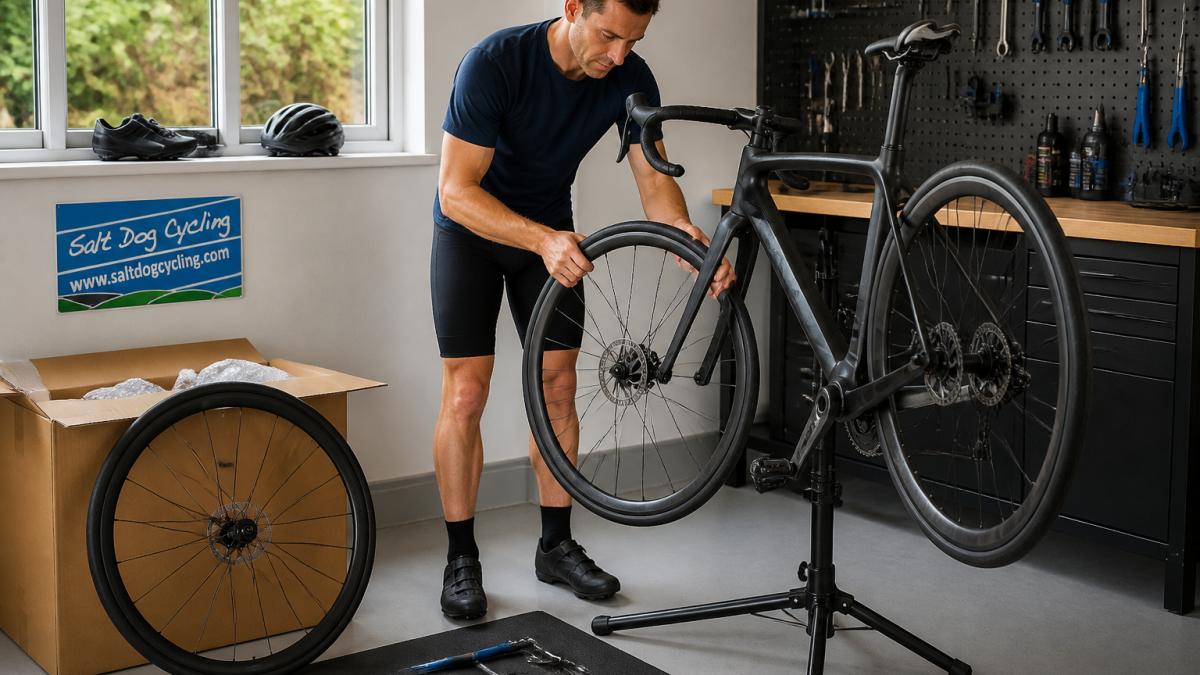
Take a wheelset like the Fulcrum Racing 6 Disc Brake Wheelset. At 1780g, it's an aluminium option with 24mm rims and a 20mm inner channel, tubeless ready and built for reliability. It won't win a weight-weenie contest, but it climbs well, handles wind, and takes wider tyres without complaint.
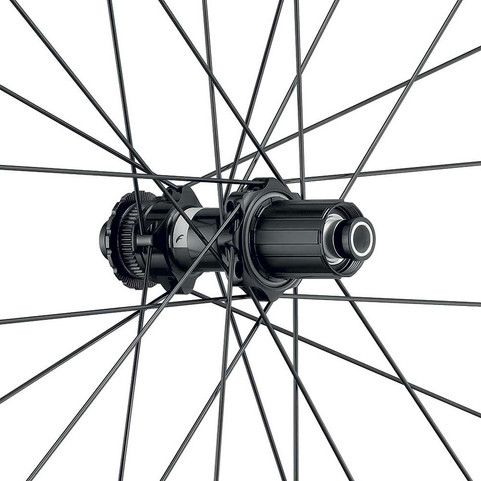
Here's what most guides miss: a wheelset that's a few hundred grams lighter but flexes under power will feel slower than a stiffer, slightly heavier one. Stiffness and weight work together.
Carbon Road Bike Components: Where the Money Is Well Spent
Carbon road bike components pay off when they reduce rotating mass or improve compliance, and they're a poor investment when they simply replace a part that was already light. Handlebars, seatposts, and wheels are the usual suspects.
Orro Bottle Cage Carbon Reinforced →
Carbon's real advantage isn't just weight. It's the ability to tune flex, so a carbon seatpost can soften road buzz in a way an aluminium one can't. That comfort matters more on long rides than a few saved grams.
Carbon Reinforced Parts: The Middle Ground
Carbon reinforced parts blend carbon fibre with nylon, giving you much of the strength and weight benefit at a lower cost. The Orro Bottle Cage Carbon Reinforced is a good example: carbon fibre reinforced nylon, injection moulded, stiff and durable at 28g.
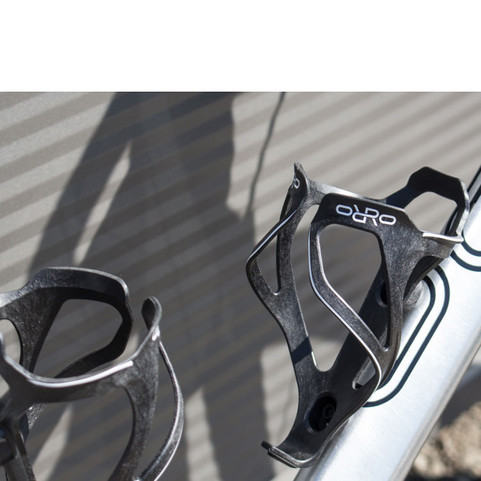
It's not a performance upgrade. It's a sensible, hard-wearing part that looks smart and holds a bottle securely. That's a fair reason to buy one, as long as you're honest about why.
The Smartest Lightweight Road Bike Upgrades, Ranked
If you want the best return on your money, prioritise lightweight road bike upgrades in this order:
- Tyres. Rolling resistance and comfort beat a few grams every time. A tyre like the Continental Sprinter Gatorskin Tubular Road Tyre pairs a light tubular feel with puncture protection, so you get speed without fragility.
- Wheels. The biggest single change to how the bike accelerates and climbs.
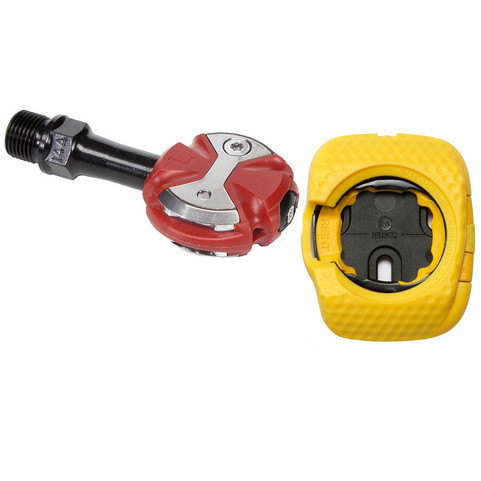
- Pedals. Weight matters less than adjustability and a stable platform. The Speedplay Zero Chromoly Road Pedals V2 offer micro-adjustable float and a low stack height, while the Wellgo R096B Clipless Road Pedals give you a lighter aluminium body and cleats included.
- Contact points. Saddle, bars, and bar tape affect comfort far more than weight.
- Cosmetic parts. Cages, bolts, and clamps. Buy them because you like them, not for speed.
The Drawbacks Nobody Mentions: Durability, Cost and Diminishing Returns
Lightweight components carry real trade-offs. Lighter often means less material, which can mean less durability, and the price climbs steeply as weight falls. The last few grams are always the most expensive.
There's also a practical cost. Very light parts can be fussier to maintain, less tolerant of rough roads, and more expensive to replace after a crash. For a winter training bike or a touring setup, that trade-off rarely makes sense.
Diminishing returns set in fast. The first meaningful upgrade transforms the ride. The tenth one barely registers. Spend where you'll feel it, and stop when the gains stop mattering.
Conclusion: Who Should Spend, and Who Shouldn't
Racers chasing podiums and riders who climb for the love of it will feel the benefit of lightweight wheels and tyres. Everyone else should spend on comfort, reliability, and fit first, because those change every ride, not just the fast ones.
At Salt Dog Cycling, we're cyclists helping cyclists choose gear that actually suits the riding you do. We're a family-run shop with free delivery on all orders, and our team is always happy to talk through sizing, compatibility, and which upgrades are worth your money. If you're unsure where to start, try our Lake Shoe Fit Tool to get your fit dialled in before you spend a penny on speed.
Frequently Asked Questions
Do lightweight components make a road bike faster?
They help most when you are climbing or accelerating, because you are moving less mass uphill and spinning it up to speed more easily. On flat roads at a steady pace, aerodynamics and your own power output matter more than a few hundred grams. So lightweight road bike components can make you faster in the right conditions, but they are not a shortcut past training. Think of them as removing a small tax on every climb rather than adding free speed everywhere.
Which road bike components are most worth upgrading to save weight?
Wheels and tyres come first. Rotating mass at the rim affects acceleration and climbing more than static weight, and it is the upgrade you feel immediately. Pedals and bottle cages are easy swaps that can shave grams without touching your position. Cranksets, handlebars and saddles come next. Frame and fork last, because the cost per gram saved is highest there. Start at the wheels and work outwards rather than chasing the lightest part in the catalogue.
Do lighter bike components affect durability?
Sometimes, but not automatically. Well-made lightweight parts are engineered to take the same loads as heavier ones, and materials like carbon reinforced nylon can be both lighter and stronger than the plastic they replace. The risk comes from ultra-light parts pushed past their design limits, especially on rough roads or for heavier riders. Buy from brands that publish weight limits and intended use, and check them periodically. Saving a small amount of weight is not worth a component that fails mid-ride.
Should I upgrade components or buy a lighter road bike?
Upgrade first if your current frame fits well and you like how it rides. Wheels, tyres, pedals and contact points can transform a bike for far less than a new one, and you keep a position you have already dialled in. Buy a new bike when the frame itself is holding you back, for example the geometry no longer suits you or the frame weight is the biggest remaining chunk. For most riders, a staged upgrade path delivers better value than a single big purchase.
The hardest part of upgrading a bike isn't choosing parts, it's knowing when to stop. If you'd rather have an honest conversation than another sales pitch, Salt Dog Cycling is here to help. Create an account to browse our range, get expert advice from riders who've made these same choices, and enjoy free delivery on every order.